Panasonic vs Samsung Microwaves: Which Are Easier to Repair?
Choosing a microwave involves more than comparing its price, appearance, and cooking features. It is also worth considering how easy the appliance may be to maintain and repair if something goes wrong. A microwave that performs well but requires expensive parts or specialised service can become frustrating over time.
Two popular brands homeowners may consider are Panasonic and Samsung. Both offer a range of microwave ovens, including countertop models and appliances with additional cooking features. However, their technologies, designs, replacement parts, and repair requirements can differ.
For homeowners in Saskatoon, understanding these differences can help when buying a new microwave or deciding whether to repair an existing one.
So, which brand is easier to repair: Panasonic or Samsung? The answer depends on the model, the fault, the availability of replacement parts, and the technician’s experience. Neither brand is automatically easier or cheaper to repair in every situation.
This guide compares their common technologies, repair considerations, maintenance needs, and long-term value to help you make an informed decision.
1. Understanding Panasonic and Samsung Microwave Technology
Before comparing repairability, it helps to understand how the two brands approach microwave design.
Panasonic microwaves
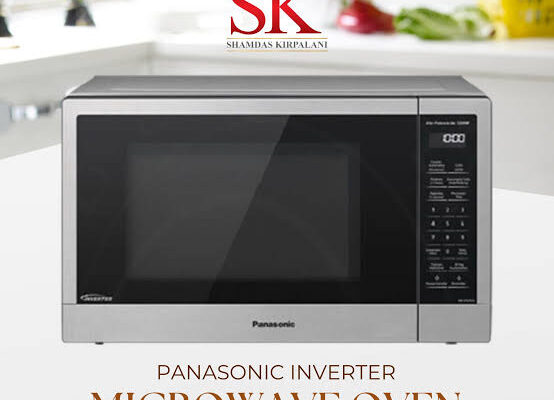
Panasonic is known for microwave ovens that use inverter technology in many of its models. This technology helps control the power supplied to the heating system, allowing the appliance to deliver more consistent power at lower settings.
Depending on the model, Panasonic offers countertop and combination microwave ovens with features such as sensor cooking, inverter heating, and convection functions.
These features can improve cooking performance, but they may also affect the type of components a technician needs to inspect when a fault develops.
Samsung microwaves
Samsung also offers a wide selection of microwave ovens, including countertop and over-the-range models. Some models include sensor cooking, digital controls, grilling functions, and combination cooking features.
Certain Samsung microwaves also use inverter technology, while others use different heating and control arrangements.
Digital displays and electronic controls make these appliances convenient to use, but faults involving keypads, sensors, or control boards can require model-specific diagnosis.
The important point is that neither brand has one universal design. Repair difficulty depends on the exact model and the component that has failed, not just the name printed on the front of the appliance.
2. Which Brand Is Easier to Diagnose?
A microwave is generally easier to diagnose when its symptoms clearly point toward a particular component and the manufacturer provides useful troubleshooting information.
Both Panasonic and Samsung provide product manuals and support resources for their appliances. However, error codes, troubleshooting procedures, and component arrangements vary between models.
Panasonic diagnosis
Some Panasonic models display error codes when the appliance detects a fault. Depending on the model, these may relate to the heating system, sensors, or electronic controls.
An experienced technician can use the code alongside the appliance’s symptoms to narrow down the possible causes.
For example, a microwave that runs but does not heat may have a problem involving the magnetron, inverter circuit, or another part of the high-voltage system. The exact cause must be confirmed through appropriate testing.
Samsung diagnosis
Samsung microwaves also use diagnostic codes on supported models. Some codes relate to the keypad, temperature sensors, communication between electronic components, or other system faults.
These messages can help guide troubleshooting, but they do not always identify the failed component conclusively.
For instance, a recurring keypad-related error could involve the touch panel or its electronic connections rather than the control board itself.
Which is easier?
There is no universal winner. A technician familiar with a particular model may diagnose it quickly, while an unfamiliar model may require additional research and testing.
For both brands, the model number, error code, and description of the symptoms are useful starting points.
3. Replacement Parts and Availability
Parts availability is one of the biggest factors affecting microwave repair.
Even when a fault is straightforward to diagnose, the repair may take longer if the required part is difficult to obtain. Costs can also increase when a component is discontinued or available only through a specialised supplier.
Panasonic replacement parts
Depending on the model, common replacement components may include door switches, turntable motors, bulbs, control panels, and heating-system components.
Inverter-equipped models may require specific parts that are not interchangeable with those used in other Panasonic microwaves.
The availability of a replacement component can also vary according to the appliance’s age and whether the model is still supported.
Samsung replacement parts
Samsung microwaves also use model-specific components. These may include control panels, door switches, turntable motors, lamps, fans, and electronic boards.
A visually similar component is not necessarily compatible with another Samsung model. The correct part number and appliance specifications should always be checked.
Which brand has better parts availability?
It depends on the specific appliance and the local supply chain.
A popular model with readily available parts may be relatively straightforward to repair. An older or less common model from either brand may be more challenging.
Before approving a repair, ask whether the required part is available, whether it is original or compatible, and how its cost affects the overall estimate.
4. Common Repairs on Panasonic and Samsung Microwaves
Both brands can develop faults involving mechanical, electrical, and electronic components. The repair process depends on the symptoms and the appliance’s design.
Microwave runs but does not heat
This problem may involve the magnetron, inverter or high-voltage supply, or another heating-system component.
The microwave may still display the cooking time, operate its fan, and rotate the turntable.
Because these components involve potentially dangerous voltages, internal testing should be performed by a qualified technician.
Turntable stops rotating
A turntable that does not spin may have a damaged roller ring, a poorly positioned plate, or a faulty motor.
First, switch off the appliance and check whether the plate and roller ring are positioned correctly according to the manual. If the problem continues, the motor may require professional inspection.
This type of fault can be relatively simple to address when the cause is mechanical and the replacement part is available.
Buttons stop responding
Unresponsive controls can occur on either brand. Possible causes include dirt around the controls, a keypad fault, or a problem with the electronic control system.
Clean only the accessible exterior surfaces using the manufacturer’s recommended method. If the buttons remain unresponsive, a technician may need to inspect the control panel.
Microwave makes unusual noises
Buzzing, grinding, rattling, or other unusual sounds can have several causes.
A loose turntable component may produce a simple mechanical noise, while a loud electrical buzz may indicate a more serious fault.
Stop using the appliance if the sound is new, severe, or accompanied by a burning smell or failure to heat.
Neither Panasonic nor Samsung is automatically easier to repair for every one of these problems. The actual fault and the design of the particular model matter more.
5. Does Inverter Technology Make Repairs More Difficult?
Inverter technology is an important consideration when comparing microwave ovens.
Traditional microwave designs commonly use a high-voltage transformer-based power supply. Inverter models use electronic circuitry to control the power delivered to the heating system.
Both approaches have advantages, and neither guarantees that an appliance will be easier to repair.
Advantages of inverter technology
Depending on the model, inverter technology can provide more consistent power at reduced settings and support different cooking functions.
This can be useful when gently defrosting food or heating meals at lower power levels.
Repair considerations
If an inverter circuit fails, the repair may require specialised knowledge and a model-specific replacement component.
However, traditional microwaves are not automatically simple to repair either. Their high-voltage transformers, capacitors, diodes, and other components also require proper diagnosis and safe handling.
Both Panasonic and Samsung sell models with different power-supply designs. Therefore, compare the specifications of the actual appliances rather than assuming that all models from one brand use the same technology.
6. Which Brand Is Cheaper to Repair?
Repair costs depend on more than the brand name.
The final price may include diagnostic labour, the replacement component, installation, and any additional work needed to correct the fault.
A simple repair involving an accessible, replaceable component may cost less than a repair requiring a control board or inverter assembly.
The same principle applies to both Panasonic and Samsung.
Factors that affect repair costs
Age of the microwave: Older models may have discontinued or harder-to-find parts.
Type of fault: A minor mechanical problem is generally different from a failure involving the heating or control system.
Parts availability: A readily available component may be less expensive and quicker to replace.
Model complexity: Combination microwaves with grilling or convection functions may contain additional systems that require diagnosis.
Labour requirements: Some components are more difficult to access than others.
There is no reliable rule that Panasonic is always cheaper to repair than Samsung, or vice versa.
For an accurate comparison in Saskatoon, request an estimate based on the appliance’s model number and confirmed fault. Avoid relying on generic online prices as if they were guaranteed local repair rates.
7. Which Microwave Is Easier to Maintain?
Maintenance can help reduce avoidable problems and keep an appliance in good working condition.
Both Panasonic and Samsung microwaves benefit from proper cleaning, correct use, and attention to the manufacturer’s instructions.
Everyday maintenance tips
- Clean food spills promptly after the appliance has cooled.
- Use microwave-safe cookware.
- Keep accessible ventilation openings clear.
- Avoid operating the microwave empty.
- Do not slam the door.
- Follow the manual’s instructions for cleaning and cooking.
- Avoid pouring cleaning liquids directly onto the control panel.
- Stop using the appliance if its door or power cord becomes damaged.
For microwaves with convection or grilling functions, follow the manufacturer’s additional cleaning instructions.
Maintenance requirements can differ between models, but neither brand needs to be treated as automatically more difficult to care for.
Remember that cleaning and basic maintenance do not make internal electrical repairs safe for homeowners. Microwave ovens can retain dangerous electrical charges even after being unplugged.
8. Should You Repair or Replace Your Microwave?
If your current Panasonic or Samsung microwave develops a fault, compare the cost of repair with the price of a suitable replacement.
Repair may be worthwhile when:
- The appliance is relatively new.
- The fault is limited to one component.
- Replacement parts are available.
- The repair estimate is reasonable.
- The microwave otherwise performs well.
Replacement may be better when:
- The appliance is old and has multiple faults.
- The required part is discontinued or unusually expensive.
- The repair cost approaches the price of a suitable new appliance.
- The microwave has significant door damage or other safety concerns.
Consider the size, features, warranty, and expected use of a replacement model. A more expensive microwave is not necessarily easier to repair, so compare practical details rather than relying only on its purchase price.
A professional diagnosis can help you understand the likely repair cost before making a decision.
9. What Should Saskatoon Homeowners Consider?
For homeowners in Saskatoon, the most useful comparison is often not Panasonic versus Samsung in general, but one specific model versus another.
Before purchasing a microwave, consider the following:
- Is the model sold through established retailers?
- Is the owner’s manual easy to obtain?
- Does the manufacturer provide troubleshooting information?
- Are common replacement parts available?
- Does the appliance have features you genuinely need?
- What warranty coverage applies?
- Would repair be practical if a major component failed?
If you already own a microwave that is not working properly, note the brand, model number, error codes, and symptoms before seeking assistance.
For help exploring local service options, Microwave repair Saskatoon can be a useful starting point when deciding what to do about a faulty appliance.
Ask for a diagnosis and estimate before approving any work. The technician should be able to explain the likely cause, required parts, and whether repair makes financial sense.
Frequently Asked Questions
1. Is Panasonic easier to repair than Samsung?
Not in every case. Repair difficulty depends on the model, type of fault, parts availability, and the technician’s experience with the appliance.
2. Are Samsung microwaves expensive to repair?
Some repairs are relatively straightforward, while others involving electronic boards or heating-system components may cost more. The final price depends on the specific fault and parts required.
3. Are Panasonic inverter microwaves harder to repair?
An inverter fault may require specialised diagnosis and model-specific parts. However, traditional microwave designs also contain hazardous high-voltage components, so neither design is universally easier to repair.
4. Which brand has better replacement parts availability?
Availability varies by model, age, supplier, and location. Check the exact part number before assuming that a component is readily available.
5. Which brand lasts longer, Panasonic or Samsung?
Lifespan depends on the particular model, usage, maintenance, and operating conditions. The brand name alone cannot reliably predict how long an individual microwave will last.
6. Can I repair a Panasonic or Samsung microwave myself?
You can perform basic maintenance described in the owner’s manual, such as cleaning accessible surfaces and checking the turntable’s position. Internal electrical repairs should be left to qualified technicians.
7. Why does my microwave run but not heat?
Possible causes include a failed magnetron, inverter or high-voltage component, or a fault in the control system. Professional diagnosis is needed to identify the exact cause.
8. Are countertop microwaves easier to repair than over-the-range models?
Countertop models may be easier to access and move, but repair difficulty depends on the fault and design. Over-the-range models can involve additional installation and ventilation considerations.
9. Is it worth repairing an older Panasonic or Samsung microwave?
It may be worthwhile if the fault is limited, the parts are available, and the estimate is reasonable. Compare the repair cost with the price of a suitable replacement.
10. How can I choose a microwave that is easier to maintain?
Check the availability of the owner’s manual, warranty information, replacement parts, and manufacturer support. Choose features that suit your needs and compare the exact models you are considering.
Conclusion
Panasonic and Samsung both offer microwave ovens with different features, technologies, and repair requirements. Neither brand is automatically easier or cheaper to repair in every situation.
The most important factors are the model’s design, the component that has failed, replacement-part availability, and the cost of professional labour. Inverter technology, digital controls, and additional cooking functions can influence diagnosis, but they do not determine repairability on their own.
If you are buying a microwave, research the specific model and its support options. If your current appliance has developed a fault, obtain a professional diagnosis and compare the repair estimate with replacement costs.
A careful comparison can help Saskatoon homeowners choose a microwave that suits their budget and make more informed decisions when maintenance or repairs become necessary.
Sources
You could also refine the article with: