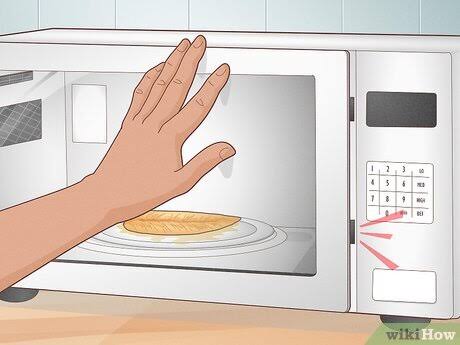
Why Is My Microwave Running But Not Heating Food?
A microwave oven is designed to heat food quickly and conveniently. Whether you are warming leftovers, preparing breakfast, or defrosting frozen ingredients, you expect the appliance to work as soon as you press the Start button. However, sometimes a microwave appears to operate normally while the food remains cold.
You may hear the fan running, see the turntable spinning, and notice the timer counting down, yet your meal barely becomes warm. This can be confusing because the appliance seems to be working even though it is not performing its main job.
If you live in Saskatoon and are experiencing this problem, several issues could be responsible. The cause might be something simple, such as an unsuitable container or an incorrect setting, or it could involve an internal component that requires professional repair.
This guide explains why a microwave runs without heating food, what you can safely check at home, and when to contact a qualified technician.
Why Does My Microwave Run but Not Heat?
A microwave uses a specialised component called a magnetron to generate the microwave energy that heats food. Other electrical components supply and control the power needed for this process.
When the magnetron or another part of the heating system fails, the appliance may still appear to operate. The display can remain active, the fan may run, and the turntable may continue rotating even though little or no heat is produced.
Common causes include:
- A faulty magnetron.
- A problem with the high-voltage diode.
- A defective high-voltage capacitor.
- A failed door interlock switch.
- An issue with the inverter or power supply circuit.
- Incorrect cooking settings.
- Electrical or control-board faults.
The exact cause depends on the microwave’s brand, model, age, and symptoms. Before assuming that an expensive part has failed, check the simple possibilities first.
1. Check the Cooking Settings
Sometimes, a microwave does not heat because the wrong operating mode has been selected.
Many modern appliances include several functions, such as defrosting, keeping food warm, convection cooking, grilling, and automatic programmes. Some modes use different heating methods or operate at reduced power.
For example, a low-power setting may heat food more slowly than expected. A defrost programme may also behave differently from a standard heating cycle.
What can you do?
Check the display and confirm that you have selected the normal microwave cooking mode.
Next, verify the cooking time and power level. If your model has multiple cooking functions, consult the owner’s manual to understand how each one works.
You can also check whether a delayed-start feature or another programme has been activated accidentally.
If correcting the settings solves the problem, you may not need a repair. However, if the appliance continues running without producing heat under normal settings, another fault may be responsible.
2. Make Sure the Food and Container Are Suitable
Although this is not the most common explanation for a complete heating failure, the food and container can affect how much heat you notice.
Different foods absorb microwave energy differently. The size, shape, moisture content, and quantity of food can influence the final temperature.
A large portion may require more time than a small serving. Food taken directly from a freezer will also need longer to heat than food stored at room temperature.
The container matters, too. Certain materials are unsuitable for microwave use and can interfere with safe operation.
Try these simple checks
- Use a microwave-safe glass or ceramic container.
- Make sure the food is suitable for microwave heating.
- Select an appropriate cooking time.
- Follow the manufacturer’s instructions for stirring or rotating food when necessary.
- Check that the selected power level is suitable for the task.
For a basic check, you can heat a microwave-safe cup of water for a short period while observing the appliance from a safe distance. Never operate the microwave empty.
If the water remains at its original temperature despite a normal cooking cycle, stop using the appliance and investigate the problem further. Do not repeatedly run long cycles in an attempt to force it to heat.
3. A Faulty Magnetron May Be the Cause
The magnetron is one of the most important components inside a microwave. It generates the microwave energy that heats food.
When the magnetron fails, the appliance may continue to run without warming anything. The timer, light, fan, and turntable may still operate normally, making the problem difficult to identify from the outside.
Signs of a possible magnetron problem
You might notice:
- Food remains cold after a normal cooking cycle.
- The microwave appears to operate normally otherwise.
- Heating performance has gradually become weaker.
- The appliance stops heating consistently.
A magnetron can fail because of age, component deterioration, overheating, or other electrical problems.
However, these symptoms do not prove that the magnetron is defective. A fault in the high-voltage supply or another component can produce similar results.
Do not attempt to remove, test, or replace the magnetron yourself. Microwave ovens contain high-voltage components that can retain a dangerous electrical charge even after the appliance has been unplugged.
A qualified technician can test the heating system and determine whether the magnetron needs replacement.
4. The High-Voltage Diode May Have Failed
The high-voltage diode is part of the electrical system that supplies the magnetron. It helps convert electrical energy into the form needed by the microwave’s heating circuit.
If this component fails, the microwave may run without heating food properly.
Depending on the fault, you might also hear an unusual buzzing sound or notice a change in the appliance’s normal operating noise. However, noise alone cannot confirm that the diode is defective.
Can you fix it at home?
No internal testing is recommended for homeowners. The diode is associated with the microwave’s high-voltage circuit, which presents a serious electrical hazard.
A technician can inspect the relevant components using appropriate procedures and determine whether the diode, magnetron, capacitor, or another part has failed.
This is particularly important because replacing one component without diagnosing the underlying problem may not resolve the issue.
5. A Faulty High-Voltage Capacitor Could Prevent Heating
The high-voltage capacitor works with other electrical components to supply the energy required by the microwave’s heating system.
If the capacitor develops a fault, the magnetron may not receive the electrical supply it needs to produce heat.
The microwave might still display the cooking time, run its fan, and rotate the turntable. However, food may remain cold.
Possible symptoms can overlap with those of a failed magnetron or diode, so an accurate diagnosis is essential.
Important safety warning
Never open the microwave cabinet to inspect the capacitor. Some capacitors can retain a potentially lethal electrical charge after the appliance has been disconnected from the power supply.
Do not attempt to discharge the capacitor with a screwdriver or other improvised tool. This is not a safe home repair.
If the microwave runs but does not heat, leave internal electrical testing to a qualified appliance technician.
6. A Door Switch May Be Causing the Problem
Microwaves have door interlock switches that help ensure the appliance operates only when the door is properly closed.
If one of these switches fails, the microwave may not function as intended. Depending on the design and type of failure, some functions may appear normal while heating does not occur.
A damaged latch or misaligned door can also interfere with the interlock system.
Look for these warning signs
- The door does not close securely.
- The microwave starts or stops unpredictably.
- The appliance behaves differently when the door is moved.
- The control panel shows inconsistent behaviour.
Check that no food residue or other obstruction is preventing the door from closing normally.
Do not slam the door, force the latch, or attempt to bypass the safety switches. If the door is damaged or the microwave operates unpredictably, stop using it until the problem has been assessed.
A technician can inspect the door mechanism and interlock system safely.
7. The Inverter or Power Supply Circuit May Be Faulty
Some modern microwaves use inverter technology to control the power supplied to the magnetron. Other models use a conventional high-voltage power supply.
If the inverter or associated circuit fails, the appliance may stop heating even though the display and other functions remain active.
Possible signs include:
- Food remains cold during normal cooking.
- Heating works intermittently.
- The microwave stops a cycle unexpectedly.
- An error code appears on the display.
The exact symptoms depend on the model and the nature of the fault.
What should you do?
Record any error code and check your owner’s manual. If the manufacturer recommends a reset, follow its instructions.
A reset may clear a temporary electronic problem, but it cannot repair a defective inverter or damaged power supply component.
If the appliance still fails to heat, professional diagnosis is recommended.
8. Could a Control Board Problem Be Responsible?
The control board manages many microwave functions, including cooking times, power levels, and communication between electronic components.
If the board develops a fault, it may not correctly control the heating system.
You might notice other symptoms, such as unresponsive buttons, unusual display behaviour, repeated error codes, or cooking cycles that stop unexpectedly.
However, a control-board fault should not be assumed simply because the microwave does not heat.
A technician can test the relevant systems and determine whether the control board is responsible or whether another component has failed.
Replacing a control board without proper diagnosis can be expensive and may not solve the underlying problem.
9. What Should You Check Before Calling a Technician?
You can perform several basic checks without opening the appliance.
Confirm the cooking mode
Make sure the microwave is set to a normal heating programme rather than a mode that behaves differently.
Check the time and power level
Ensure the cooking duration is sufficient and the power setting is appropriate for the food.
Inspect the door
Check that the door closes normally and nothing is blocking it. Do not force the latch or dismantle the door.
Look for an error code
Write down any letters or numbers shown on the display. This information may help identify the possible fault.
Observe the symptoms
Note whether the turntable spins, the fan runs, the display works, and the food remains completely cold or becomes slightly warm.
Stop if the problem continues
If a basic settings check does not solve the issue, avoid repeatedly running the microwave. Persistent failure to heat may indicate a fault that requires professional attention.
Never remove the outer cover, inspect internal wiring, or test high-voltage components yourself.
10. When Should Saskatoon Homeowners Arrange Microwave Repair?
Professional assistance is advisable when the microwave runs through a normal cooking cycle but consistently fails to heat food.
A technician can determine whether the problem involves the magnetron, diode, capacitor, inverter, door switches, or another component. The diagnosis can also help establish whether repair is more economical than replacement.
If you need assistance exploring repair options, Microwave repair Saskatoon is a useful starting point for finding information about microwave servicing.
Before arranging a repair, make a note of the appliance’s brand, model, approximate age, and symptoms. Mention any unusual sounds, error messages, or recent changes in performance.
Ask for a diagnosis and estimate before approving work. The cost of repair depends on the failed component, parts availability, labour, and the overall condition of the appliance.
For an older microwave with multiple faults, replacement may make more financial sense. For a relatively new appliance with a straightforward fault, repair may be the better option.
How to Prevent Future Microwave Problems
Not every microwave fault can be prevented, but proper use and routine care can help reduce avoidable problems.
- Keep the interior clean and remove food spills promptly.
- Use suitable microwave-safe cookware.
- Avoid running the appliance empty.
- Keep accessible ventilation openings clear.
- Follow the manufacturer’s instructions for cooking and cleaning.
- Avoid slamming the door.
- Pay attention to unusual noises, error messages, or changes in heating performance.
- Arrange professional assessment when a fault persists.
Do not attempt to extend the appliance’s life by opening its cabinet or repairing internal electrical components yourself. Safe maintenance means following the manufacturer’s instructions and leaving hazardous internal repairs to qualified professionals.
Frequently Asked Questions
1. Why does my microwave run but not heat food?
Possible causes include a failed magnetron, high-voltage diode, capacitor, inverter, or door interlock switch. Incorrect cooking settings can also be responsible. The exact cause requires diagnosis.
2. Can a microwave still run if the magnetron is broken?
Yes. The display, fan, light, and turntable may continue working even if the magnetron cannot generate microwave energy.
3. How can I tell whether my microwave is heating properly?
You can perform a brief, supervised test using a microwave-safe cup of water and an appropriate heating cycle. Never operate the microwave empty. If the water remains cold, stop using the appliance and arrange an assessment.
4. Is it worth repairing a microwave that does not heat?
It depends on the appliance’s age, condition, replacement cost, and the price of the repair. Obtain a diagnosis and estimate before deciding.
5. Can a blown fuse cause a microwave to stop heating?
A blown fuse often prevents the appliance from operating normally, but symptoms vary by model and circuit. Do not open the microwave to inspect or replace internal fuses. A technician can identify the cause safely.
6. Why does my microwave make noise but not heat?
The fan, turntable motor, and other parts may continue operating even if the heating system has failed. A buzzing or unusual sound can have several causes and should be assessed professionally if it persists.
7. Can a faulty door switch prevent heating?
Yes. A defective door interlock switch may prevent normal operation. Because these switches are important safety components, they should never be bypassed.
8. Is it safe to use a microwave that does not heat?
If the appliance consistently fails to heat, stop using it until the cause has been identified. Do not continue running repeated cycles in an attempt to restore heating.
9. How much does it cost to repair a microwave that is not heating?
The price depends on the failed component, the model, parts availability, and labour. A professional estimate is the most reliable way to compare repair with replacement.
10. Can I replace the magnetron or capacitor myself?
No. These components are part of the microwave’s hazardous high-voltage system. Even after unplugging, dangerous electrical charges may remain. Internal repairs should be performed by a qualified technician.
Conclusion
When a microwave runs but does not heat food, the problem may be related to its settings, magnetron, high-voltage diode, capacitor, door interlock, inverter, or control board. Although the appliance may appear to function normally, its heating system may have developed a fault.
Start by checking the cooking mode, power level, door, and display. If the microwave still fails to heat, stop repeated testing and seek professional advice rather than opening the cabinet yourself.
For Saskatoon homeowners, an accurate diagnosis can help identify the right repair and determine whether fixing the appliance is more practical than replacing it. Taking action early can also help prevent continued use of an appliance that is not operating as intended.