Built-in microwaves are popular in modern kitchens because they save counter space and create a clean, integrated appearance. Unlike countertop models, these appliances are installed inside cabinets, fitted into wall units, or incorporated into kitchen designs alongside other appliances. While they offer convenience and an attractive finish, repairing them can be more complicated when something goes wrong.
A built-in microwave that stops heating, develops unusual noises, or displays an error code may need professional attention. However, the repair process can involve more than fixing the faulty component. Access to the appliance, its mounting system, ventilation requirements, and surrounding cabinetry may also affect the work.
For homeowners in Saskatoon, understanding these differences can help make appliance maintenance easier and prevent unnecessary damage to kitchen cabinets. This guide explains how built-in microwave repairs differ from countertop microwave repairs, common problems to watch for, important safety considerations, and when repair or replacement makes sense.
What Makes a Built-In Microwave Different?
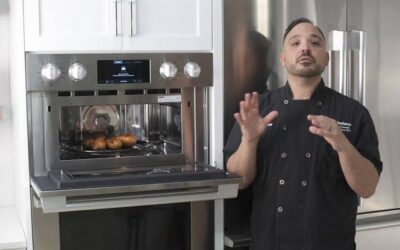
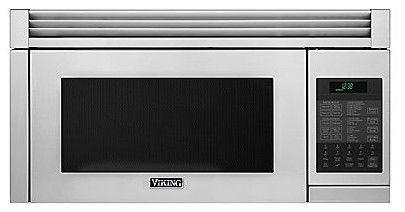
A built-in microwave is designed to fit into a specific kitchen space. It may be installed inside a cabinet, a wall enclosure, or a dedicated appliance housing. Some models are combined with convection cooking features, while others are designed primarily for reheating and defrosting.
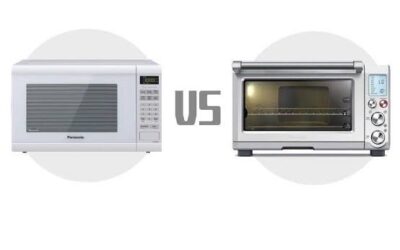
Countertop microwaves can generally be moved more easily because they are not permanently mounted. Built-in models, however, may be secured with brackets, screws, trim kits, or other mounting hardware.
This difference affects repair in several ways.
Access is more complicated: A technician may need to remove trim pieces or mounting hardware before reaching the appliance.
Ventilation is important: Built-in models require the clearances and airflow specified by the manufacturer. Incorrect installation can contribute to overheating.
Kitchen finishes need protection: Removing an appliance incorrectly can damage cabinetry, surrounding panels, or countertops.
Replacement requires careful measurements: A new microwave may need to fit the existing opening and meet the installation requirements.
Because of these factors, built-in microwave repairs often require additional planning compared with repairs to a portable countertop model.
Common Problems with Built-In Microwaves
Although built-in microwaves differ in installation, many of their operating problems are similar to those experienced by countertop models.
1. The Microwave Runs but Does Not Heat
One common problem occurs when the microwave appears to operate normally but fails to warm food.
The display may work, the fan may run, and the timer may count down, yet the food remains cold.
Possible causes include a defective magnetron, a failed high-voltage component, an inverter fault, or another electrical problem. The exact components depend on the microwave’s design.
A built-in installation does not automatically mean that the fault is more serious. However, the appliance may need to be removed from its housing to allow a technician to inspect it properly.
If your microwave repeatedly fails to heat, stop relying on it and arrange a professional diagnosis.
2. The Microwave Makes Unusual Noises
Built-in microwaves normally produce some noise from their cooling fans, turntable motors, and operating components.
A sudden increase in humming, buzzing, grinding, or rattling may indicate a problem.
Possible causes include a damaged turntable support, a loose accessible component, a faulty fan, or an electrical fault.
First, determine whether the sound comes from the microwave or from nearby cabinetry. Some installations may amplify normal operating sounds because the appliance sits inside an enclosed space.
If the noise is new, persistent, or accompanied by a burning smell or loss of heating, stop using the microwave and arrange an inspection. Do not remove the appliance yourself simply to locate the sound.
3. The Door Does Not Close Properly
The door is an essential safety component. A built-in microwave may develop door problems because of normal wear, accidental impact, damaged hinges, or a faulty latch.
Cabinet alignment or installation issues may also affect how the appliance fits into its opening, although the actual cause needs to be assessed.
Never force the door shut or attempt to adjust internal safety switches. If the door is bent, the latch is damaged, or the appliance will not close securely, stop using it until a qualified technician has assessed the problem.
4. The Control Panel Stops Responding
Unresponsive buttons, flickering displays, or error messages may indicate a control-panel problem, an electrical fault, or another internal issue.
Some built-in models include advanced settings, sensor cooking, convection functions, or combination controls that can make diagnosis more involved.
You can consult the user manual to see whether the displayed error code has a documented explanation. If the instructions recommend a basic reset, follow them only when there are no signs of electrical damage and the procedure is safe.
If the problem continues, arrange professional assistance rather than opening the appliance or attempting to access its wiring.
5. The Microwave Overheats or Shuts Down
A built-in microwave needs adequate ventilation to operate correctly. If the installation does not provide the clearances specified by the manufacturer, heat may not dissipate as intended.
A cooling fan problem, blocked ventilation, or a defective internal component may also cause overheating or unexpected shutdowns.
Check the manufacturer’s installation instructions and look for visible obstructions around the external ventilation openings. Do not insert tools into vents or remove cabinet panels to reach internal parts.
If the microwave repeatedly shuts down, produces a burning smell, or becomes unusually hot around its exterior, stop using it and arrange an inspection.
Why Built-In Microwave Repairs Can Be More Complicated
The main difference is often access rather than the electronic fault itself.
Removing the Appliance Safely
Some built-in microwaves are held in place by mounting brackets, screws, or a compatible trim kit. Depending on the design, removing one may require access to surrounding cabinet panels or other installation hardware.
An incorrectly removed appliance may fall, damage nearby finishes, or place stress on electrical connections.
Built-in models can also be heavy or awkward to handle, particularly when installed above a wall oven or inside a tall cabinet.
A qualified technician can determine how the appliance should be accessed and whether additional assistance is needed.
Protecting Cabinets and Countertops
Kitchen cabinetry can be expensive to repair. Scratches, chipped edges, damaged trim, and broken mounting points can add unnecessary costs to an appliance repair.
Professional removal helps reduce these risks by taking the installation into account before work begins.
Homeowners should also avoid prying decorative panels or trim pieces away with sharp tools.
Checking Ventilation and Installation Requirements
Built-in microwaves have specific ventilation requirements. These may vary by model and installation type.
A repair visit can provide an opportunity to identify obvious installation concerns, such as blocked external openings or incorrect clearances.
However, a technician should use the manufacturer’s installation documentation rather than assume that all built-in models require the same arrangement.
Considering Electrical Connections
Some built-in appliances may use installation arrangements that differ from a typical plug-in countertop microwave.
If the appliance is hardwired or its electrical connection is not readily accessible, qualified assistance may be needed to disconnect and reconnect it safely.
Never pull a built-in microwave out of its housing while it remains connected to an electrical supply.
Safety Precautions Before Arranging a Repair
Microwave ovens contain components that can present serious electrical hazards.
In particular, the high-voltage capacitor may retain a dangerous electrical charge even after the appliance has been unplugged. Opening the cabinet and touching internal components can cause severe or fatal electric shock.
Before arranging a repair, follow these precautions:
- Stop using the appliance if it produces smoke, sparks, or an electrical burning smell.
- Do not remove the cabinet, mounting hardware, or electrical connections unless the work is being carried out by someone qualified to do so.
- Never attempt to discharge or replace a microwave capacitor yourself.
- Do not bypass the door interlocks or other safety mechanisms.
- Keep the area around the appliance clear so a technician can inspect the installation.
- Provide the model number and a description of the symptoms when booking assistance.
If there is smoke or fire, keep away from the appliance and contact emergency services when necessary. Disconnect power only if it is safe to do so.
How to Prepare for a Built-In Microwave Repair
A little preparation can help the repair process run more smoothly.
Find the Model Number
Look for the model information in the owner’s manual or on an accessible label identified in the manufacturer’s documentation.
Do not remove the appliance from its housing just to locate the label.
The model number helps the technician identify the correct design, parts, and installation requirements.
Describe the Symptoms Clearly
Explain what happens when you operate the microwave.
For example, does the appliance turn on but fail to heat? Does the display show an error code? Does the turntable stop rotating? Is there a new humming noise?
Also mention when the problem began and whether it occurs during every cycle.
Clear the Surrounding Area
Remove items stored near the appliance and clear the countertop or work area where possible.
Do not dismantle the trim kit or remove cabinet panels unless the technician specifically advises you to do so.
Check the Warranty
If the microwave is relatively new, review its warranty terms before arranging a paid repair. Some manufacturers have specific requirements for authorised service providers.
Keep your purchase receipt and installation documentation if available.
Should You Repair or Replace a Built-In Microwave?
The decision depends on the nature of the fault, the appliance’s age, parts availability, and the total cost of repair.
When Repair May Be Worthwhile
Repair may be a sensible option if the microwave is in good overall condition and the fault can be corrected at a reasonable cost.
A relatively new appliance with an isolated component problem may be worth repairing, especially if a suitable replacement would require additional installation work.
When Replacement May Make More Sense
Replacement may be more practical if the appliance has several faults, the door or safety system is badly damaged, or compatible replacement parts are difficult to obtain.
An older microwave that repeatedly needs repairs may also become expensive to maintain.
Compare the Complete Cost
Do not compare the repair estimate with the purchase price alone.
Consider the cost of diagnosis, labour, replacement parts, removal, installation, and any modifications needed to accommodate a different model.
A countertop microwave may cost less to purchase, but it may not be a suitable replacement if your kitchen has been designed around a built-in unit.
Before making a decision, ask the technician to explain the fault and outline the available options.
Finding Professional Built-In Microwave Repair in Saskatoon
When a built-in microwave develops a fault, it is important to choose a repair provider who understands both appliance troubleshooting and the challenges of built-in installation.
Ask whether the technician works with your microwave’s brand and installation type. Explain whether the appliance is inside a cabinet, installed above an oven, or fitted with a trim kit.
It is also useful to ask whether the estimate includes removal and reinstallation, where required, or whether separate installation assistance may be necessary.
For homeowners seeking Microwave repair Saskatoon, providing the model number and describing the installation can help clarify the type of service required.
Before authorising the work, request an explanation of the diagnosis, the expected repair cost, and any relevant warranty on parts or labour.
A clear estimate helps you compare repair with replacement and avoid unexpected expenses.
How to Maintain a Built-In Microwave
Routine care can help reduce avoidable problems and make it easier to spot damage.
Clean spills promptly: Food residue and grease can become difficult to remove when repeatedly heated. Use a soft cloth and suitable cleaning products recommended by the manufacturer.
Keep ventilation openings clear: Do not cover external vents or store items where they block airflow.
Use suitable containers: Follow the manufacturer’s guidance about microwave-safe cookware and metal objects.
Inspect the door: Watch for visible damage, loose hinges, or a latch that no longer works correctly.
Avoid excessive force: Do not slam the door or press control buttons aggressively.
Address unusual behaviour early: Repeated loss of heating, unexpected shutdowns, or electrical smells should not be ignored.
These steps cannot prevent every component failure, but they can help maintain the appliance and reduce avoidable damage.
Frequently Asked Questions
1. Are built-in microwaves harder to repair than countertop models?
They can be more complicated to access because they are secured inside cabinets or fitted with trim kits. The internal repair itself may be similar, depending on the model and the fault.
2. Does a built-in microwave need to be removed for repair?
Not always. Some problems can be diagnosed without removing the appliance, but internal faults may require access to components behind the housing. The correct approach depends on the design and repair needed.
3. Can I remove a built-in microwave myself?
It is safer to use qualified assistance, especially when the appliance is heavy, hardwired, or mounted above another appliance. Incorrect removal can cause injury, cabinet damage, or electrical hazards.
4. Why does my built-in microwave run but not heat?
Possible causes include a faulty magnetron, high-voltage component, inverter, or other electrical problem. A technician needs to diagnose the actual cause before recommending a repair.
5. Can poor ventilation damage a built-in microwave?
Inadequate ventilation can contribute to overheating and may affect appliance reliability. Follow the manufacturer’s installation requirements and keep external ventilation openings clear.
6. Is it safe to use a built-in microwave with a damaged door?
No. A damaged door, faulty latch, or door that does not close securely should be assessed before the appliance is used again. Do not attempt to bypass the safety interlocks.
7. Is repairing a built-in microwave expensive?
The cost depends on the faulty component, parts availability, labour, and whether removal and reinstallation are required. Request a clear estimate before approving the repair.
8. Can a countertop microwave replace a built-in model?
Sometimes, but it depends on your kitchen layout and intended use. A countertop model should not simply be placed inside an enclosed cabinet unless the manufacturer explicitly permits that installation.
9. How can I prepare for a built-in microwave repair appointment?
Provide the model number, describe the symptoms, check the warranty, and clear the surrounding work area. Avoid removing the appliance or its trim kit unless advised by a qualified professional.
10. When should I replace my built-in microwave instead of repairing it?
Replacement may be preferable if the appliance has extensive damage, repeated faults, unavailable parts, or a repair cost that is high compared with a suitable replacement. Consider installation costs before deciding.
Conclusion
Built-in microwaves offer a convenient, space-saving solution, but their installation makes some repairs more involved than those for countertop models. Access, mounting hardware, ventilation, electrical connections, and cabinet protection can all affect the repair process.
When a fault occurs, begin by identifying the symptoms, checking the manufacturer’s basic guidance, and arranging professional assistance where necessary. Never open the appliance cabinet or attempt to repair high-voltage components yourself.
By maintaining the microwave, keeping ventilation openings clear, and responding promptly to unusual behaviour, Saskatoon homeowners can make better decisions about appliance care. When repair is necessary, a proper diagnosis and clear estimate help determine whether fixing the existing unit or replacing it is the more practical choice.
Suggested SEO metadata
Meta title: Built-In Microwave Repairs: What’s Different? | Saskatoon
Meta description: Learn how built-in microwave repairs differ from countertop models, including installation challenges, common faults, safety tips, and repair-versus-replacement advice for Saskatoon homeowners.
Refine the article further