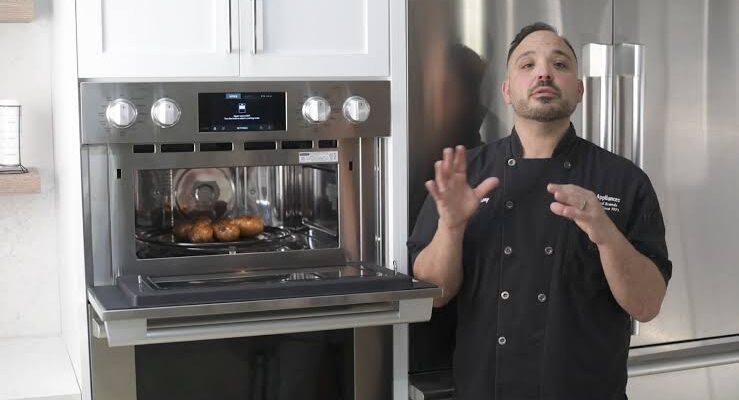
Combination microwave-convection ovens are popular among homeowners who want more cooking options without filling their kitchens with several appliances. These versatile units combine microwave heating with convection cooking, allowing users to reheat meals, defrost ingredients, bake, roast, and brown food in one appliance.
However, their advanced features also make repairs more complicated than those of some standard microwaves. A combination oven contains components for microwave heating and hot-air circulation, along with electronic controls that coordinate different cooking modes. When something stops working, identifying the actual cause is essential before deciding whether to repair or replace the appliance.
For homeowners in Saskatoon, understanding common faults, safety concerns, maintenance requirements, and repair costs can make appliance problems easier to manage. This guide explains how combination ovens work, which components may fail, and when professional assistance is the best option.
1. What Is a Combination Microwave-Convection Oven?
A combination microwave-convection oven uses two different cooking methods.
Microwave cooking uses electromagnetic energy to heat food. It is useful for reheating leftovers, defrosting ingredients, and preparing meals quickly.
Convection cooking uses a heating element and fan to circulate hot air around food. This method is suitable for baking, roasting, and browning dishes that benefit from more even heat distribution.
Many combination models allow users to select microwave, convection, grill, or combination cooking, although available modes depend on the model.
Combination cooking can reduce preparation time because microwave energy heats the food while convection heat helps cook and brown its surface.
The additional functionality comes with more components to maintain. Depending on the design, the appliance may contain a magnetron, high-voltage circuitry, heating elements, a convection fan, temperature sensors, door interlocks, and electronic control boards.
A fault in one part of the system may affect a particular cooking mode rather than the entire appliance.
2. Why Are Combination Oven Repairs Different?
Repairing a combination oven requires understanding both microwave and conventional oven technology.
A standard microwave primarily relies on its microwave-generating system to heat food. A basic convection oven, meanwhile, depends on heating elements, temperature regulation, and air circulation.
A combination model brings these systems together in one appliance.
For example, a microwave function may stop heating while the convection mode continues to work. Alternatively, the microwave may operate normally while the convection fan fails to circulate hot air.
These different symptoms help a technician narrow down the possible causes.
The electronic control system adds another layer of complexity. It must manage cooking temperatures, timing, safety interlocks, and the selected heating mode. A problem with a sensor or control board may therefore affect one or several functions.
The exact repair process depends on the appliance’s design. Some models have accessible replacement components, while others require more extensive disassembly or specialised parts.
3. Common Combination Microwave-Convection Oven Problems
Recognising the symptoms of a malfunction can help you explain the problem clearly when arranging a repair.
Microwave mode runs but does not heat
One common complaint is that the appliance appears to work normally, but the food remains cold.
The display may count down, the light may turn on, and the turntable may rotate without producing useful microwave heat.
Possible causes include a failed magnetron, a problem in the high-voltage circuit, a faulty door interlock, or an electronic control fault.
These components should not be inspected or repaired by an unqualified person. Microwave capacitors can retain a dangerous electrical charge even after the appliance has been unplugged.
A qualified technician can test the relevant systems and determine whether the repair is worthwhile.
Convection mode does not heat
If the appliance works in microwave mode but fails to heat during convection cooking, the problem may involve the convection heating element, temperature sensor, fan, or control system.
First, check that you have selected the correct cooking mode and temperature. Some models require a preheating period before cooking begins.
Consult the user manual to confirm the correct settings. If the oven still does not heat properly, professional diagnosis may be necessary.
The convection fan is noisy or not working
The convection fan circulates hot air through the cooking chamber. If it stops operating, food may cook unevenly or take longer than expected.
A noisy fan may indicate an obstruction, worn component, or mechanical problem.
Switch off the appliance if the fan makes grinding noises, stops unexpectedly, or appears to be struggling. Allow the oven to cool completely before performing any permitted external cleaning.
Do not remove internal covers to reach the fan. A technician can determine whether the motor, fan assembly, or another component requires attention.
The display or control panel is unresponsive
Combination ovens often use electronic displays, touch panels, and preset cooking programs.
If buttons stop responding, the screen flickers, or error messages appear repeatedly, possible causes include a control-panel fault, sensor problem, electrical interruption, or failed circuit board.
If the manufacturer’s instructions permit it, you can switch the appliance off at the appropriate power source and restart it after a short interval. Do not attempt this if you notice burning smells, damaged wiring, smoke, or repeated breaker trips.
If the problem returns, record any error code and arrange an assessment.
The door will not close properly
The door and its safety interlocks are important parts of the appliance. They help prevent operation when the door is not safely closed.
A damaged hinge, worn latch, misaligned door, or faulty interlock may prevent the oven from starting.
Never force the door shut, bypass a safety switch, or continue operating the appliance when the door is damaged. These problems need professional attention.
The appliance switches off during cooking
Unexpected shutdowns may result from overheating, blocked ventilation, a temperature-sensing problem, or an electrical fault.
Check whether the vents are visibly obstructed and make sure the appliance has the clearance required by its installation instructions.
If the oven repeatedly stops, displays an error, or trips a breaker, stop using it until the cause has been identified.
4. How Technicians Diagnose Combination Oven Faults
Accurate diagnosis is important because different faults can produce similar symptoms.
A professional assessment generally begins with the appliance’s model number, reported symptoms, error messages, and operating history.
The technician may then examine the appliance’s external condition, door operation, ventilation, controls, and power supply. Further testing depends on the symptoms and the manufacturer’s service procedures.
For example, if microwave mode fails but convection cooking works, the technician may focus on components associated with microwave heating. If convection mode fails while microwave heating remains available, the heating element, temperature sensor, fan, or related controls may need investigation.
If both modes fail, the cause could involve a shared control, power, or safety system rather than two separate component failures.
These are diagnostic possibilities, not guaranteed explanations. Testing is necessary to identify the actual fault.
Because combination ovens involve electrical hazards and potentially dangerous microwave circuitry, internal diagnosis should be left to qualified service personnel.
5. What Affects Combination Oven Repair Costs?
Combination ovens can cost more to repair than basic appliances because they contain multiple cooking systems and electronic controls. However, the final price depends on the particular fault rather than the appliance category alone.
Several factors influence the total cost.
Type of component: A replaceable fan motor may have a different repair cost from a magnetron or electronic control board.
Parts availability: Older or less common models may require parts that are difficult to source.
Labour requirements: Built-in models can require additional work to access components safely.
Appliance age: A repair may be less attractive if the oven is old and other components are also showing signs of wear.
Warranty coverage: Some faults may qualify for warranty service, depending on the manufacturer’s terms, exclusions, and the appliance’s age.
Installation type: A countertop unit is generally easier to access than a built-in combination oven. Built-in units may require careful removal and reinstallation by appropriately qualified personnel.
Before approving work, ask for a clear estimate that separates diagnosis, parts, labour, and any additional charges. Also ask whether replacement parts are covered by a repair warranty.
Avoid choosing a repair based on price alone. The quality of the diagnosis and the suitability of the replacement parts also matter.
6. Is It Better to Repair or Replace a Combination Oven?
There is no single answer that applies to every appliance.
Repair may be sensible when the oven is in good overall condition, the fault is limited to one component, and suitable replacement parts are available.
Replacement may be more practical when the appliance has multiple serious faults, the required parts are discontinued, or the repair cost approaches the price of a suitable new model.
Consider these questions before making a decision:
- How old is the appliance?
- Has it experienced repeated breakdowns?
- What is the estimated repair cost?
- Are genuine or manufacturer-approved parts available?
- Does the repair include a warranty?
- Would a replacement offer features that better suit your needs?
- Will replacement involve additional installation or disposal costs?
For example, a combination oven with a faulty fan and otherwise good condition may be worth repairing. A much older model with a failing control board and additional heating problems may not justify the expense.
A professional diagnosis gives you the information needed to compare these options.
7. Safety Precautions for Combination Oven Owners
Combination ovens can produce both microwave energy and high temperatures. Safe operation requires attention to electrical hazards, heat, door condition, and ventilation.
Never open the appliance housing to investigate internal faults. High-voltage components may retain a dangerous electrical charge after the power has been disconnected.
Do not attempt to repair the magnetron, capacitor, internal wiring, heating elements, or safety interlocks unless you are appropriately qualified and equipped.
You can perform routine maintenance described in the user manual, such as cleaning the interior after the oven has cooled, checking removable accessories, and ensuring that external ventilation openings are clear.
Stop using the appliance if you notice:
- Smoke or a persistent burning smell.
- Damaged power cords or plugs.
- Repeated electrical breaker trips.
- A door that is bent or will not close securely.
- Sparking that continues after unsuitable cookware has been removed.
- Unusual grinding noises or repeated overheating.
- Persistent error messages accompanied by abnormal operation.
Do not bypass door switches or other safety features to keep the appliance running. A faulty safety system requires proper repair.
8. How to Maintain a Combination Microwave-Convection Oven
Regular maintenance can help prevent avoidable problems and support reliable operation.
Keep the cooking chamber clean
Food splashes, grease, and crumbs can accumulate inside the appliance. Clean the interior using the methods and products recommended by the manufacturer.
Avoid abrasive materials that could damage the cooking surface or protective coatings.
Keep ventilation openings clear
Combination ovens generate heat during convection and combination cooking. Blocked vents can interfere with cooling and may contribute to overheating.
Follow the manufacturer’s instructions for required clearance, especially for built-in installations.
Use suitable cookware
Not all cookware is appropriate for every cooking mode. Metal accessories may be allowed during certain convection or grill functions but prohibited during microwave operation, depending on the model.
Check the manual before using a container or accessory in a particular mode.
Avoid slamming the door
The door, hinges, latch, and interlock system are essential for safe operation. Closing the door gently and keeping its sealing surfaces clean can help prevent avoidable damage.
Follow the recommended cooking settings
Use the correct temperature, mode, and preheating procedure for the food you are preparing. Avoid operating the oven in ways prohibited by the manufacturer.
Address small warning signs early
A new noise, recurring error code, unusual heating pattern, or control problem may indicate a developing fault.
Investigating the issue early may prevent further damage, although not every problem can be avoided through maintenance.
9. Finding Repair Help in Saskatoon
When a combination oven develops a fault, provide the service provider with useful information before arranging a visit.
Record the brand, model number, approximate age, and installation type. Describe which cooking modes work, which fail, and whether the appliance displays an error code.
Explain whether the problem started suddenly or developed gradually. Mention any unusual sounds, smells, or electrical interruptions.
This information can help the technician prepare for the assessment and identify which components may require testing.
If you need professional assistance, Microwave repair Saskatoon information can help you explore available repair options. When contacting a service provider, confirm that the technician can work on your particular combination microwave-convection model.
Ask whether the service includes diagnosis, whether parts are available, and whether the estimate covers labour and any additional charges. For a built-in unit, also confirm whether removal and reinstallation are included if required.
If the appliance is still under warranty, check the manufacturer’s service conditions before authorising independent repairs.
10. Final Thoughts
Combination microwave-convection ovens offer useful cooking flexibility, but their dual heating systems and electronic controls can make repairs more specialised.
Problems such as failed microwave heating, convection fan faults, unresponsive controls, and door-latch issues can have different causes. The correct solution depends on the appliance’s design and a reliable diagnosis.
Homeowners can help maintain performance by keeping the oven clean, ensuring adequate ventilation, using suitable cookware, and following the manufacturer’s operating instructions. Internal electrical repairs and work involving microwave safety systems should be left to qualified professionals.
Before choosing between repair and replacement, compare the estimated cost, the appliance’s age, parts availability, and its overall condition. A clear assessment can help you avoid unnecessary expense and make a safer, more informed decision.
Frequently Asked Questions
1. What is a combination microwave-convection oven?
It is an appliance that combines microwave heating with convection cooking. Depending on the model, it may also include grilling or other cooking modes.
2. Can a combination oven use microwave mode if convection mode is broken?
Sometimes. The two heating systems may use different components, so one mode can fail while another continues working. However, shared control or safety faults can affect multiple functions.
3. Why does my combination oven run but not heat food?
Possible causes include a microwave heating fault, failed magnetron, high-voltage circuit issue, faulty door interlock, or control problem. A qualified technician must identify the actual cause.
4. Why is the convection function not heating?
Possible causes include a failed heating element, temperature sensor, convection fan, or electronic control. First confirm that the correct mode and temperature have been selected.
5. Are combination microwave ovens expensive to repair?
Costs vary according to the fault, model, parts availability, and labour required. A diagnosis and written estimate can help you compare repair with replacement.
6. Is it safe to repair a combination microwave oven at home?
Routine cleaning and basic checks permitted by the manual are generally suitable for owners. Internal electrical repairs are hazardous and should be performed by qualified service personnel.
7. What should I do if my combination oven displays an error code?
Record the code and consult the manufacturer’s manual. If the manual recommends a power reset and the appliance shows no signs of damage or electrical danger, follow its instructions. If the code returns, arrange professional service.
8. Can a damaged oven door be repaired?
Depending on the damage and model, a technician may be able to replace a hinge, latch, or other component. Do not operate the oven if the door cannot close securely or its safety system may be compromised.
9. How can I make my combination oven last longer?
Keep the interior clean, maintain ventilation clearance, use suitable cookware, close the door gently, and follow the manufacturer’s maintenance instructions.
10. When should I replace a combination microwave-convection oven?
Replacement may make more sense when repairs are very expensive, parts are unavailable, or several major components have failed. Compare a professional estimate with the total cost of a suitable replacement.
Suggested SEO Details
SEO Title: Combination Microwave-Convection Oven Repairs Explained
Meta Description: Learn about common combination microwave-convection oven faults, repair costs, safety precautions, maintenance, and repair options in Saskatoon.
Suggested URL Slug: combination-microwave-convection-oven-repairs