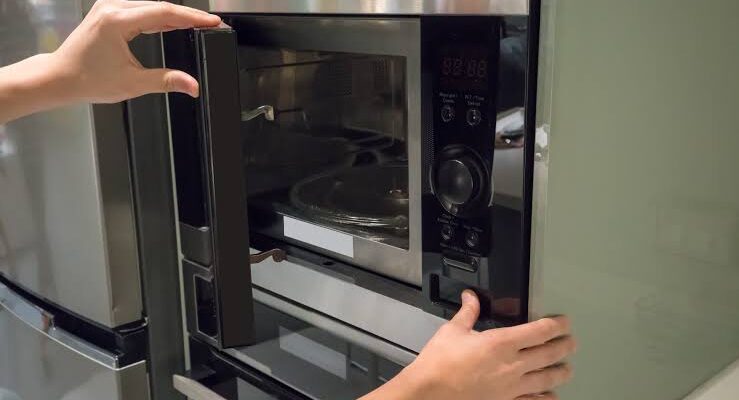
Microwave Door Won’t Close Properly: Causes and Fixes
A microwave makes everyday cooking faster and more convenient. From reheating leftovers to preparing quick meals, it is an appliance many households rely on daily. However, when the microwave door will not close properly, even a simple kitchen task can become frustrating. You might notice that the door bounces back, feels loose, hangs unevenly, or closes without allowing the microwave to start.
Although the problem may appear minor, a microwave door is an important safety component. Its latch, hinges, frame, and safety switches must work together correctly before the appliance can operate.
For homeowners in Saskatoon, understanding the common causes of a faulty microwave door can help determine whether simple cleaning is enough or professional attention is necessary. This guide explains the possible causes, safe troubleshooting steps, repair options, and ways to prevent the problem from happening again.
Why Won’t Your Microwave Door Close Properly?
A microwave door is designed to fit securely against the appliance’s frame. When you close it, the latch engages and activates safety interlock switches that allow the microwave to operate.
If one component becomes dirty, worn, broken, or misaligned, the door may not close correctly.
Common reasons include:
- Food particles or grease blocking the latch.
- Broken or worn door hooks.
- Damaged or loose hinges.
- A bent door or microwave frame.
- A faulty door-release mechanism.
- A problem with the internal safety switches.
- An appliance that is unstable or incorrectly positioned.
Identifying the symptoms can help narrow down the cause, but internal faults may require professional diagnosis.
Important: Never operate a microwave if its door is damaged, bent, or unable to close securely. Do not bypass its safety switches or attempt to modify the door mechanism. Health Canada recommends that microwave repairs be performed by qualified technicians.
1. Food Debris Is Blocking the Door
Food residue is one of the simplest possible explanations for a microwave door that will not close properly.
During cooking, grease, sauces, and small food particles can collect around the door edges and frame. If residue builds up near the latch, it may prevent the door from closing completely.
For example, dried sauce around the opening can create a small obstruction. You may feel resistance when closing the door or notice that the latch does not engage as smoothly as before.
How to Fix It Safely
Try these simple steps:
- Unplug the microwave before cleaning.
- Open the door and inspect the accessible edges and frame.
- Use a soft cloth dampened with warm water and mild dish soap.
- Gently remove visible grease and food residue.
- Wipe the cleaned surfaces with a fresh, damp cloth.
- Dry the area before checking whether the door moves freely.
Avoid pouring water into latch openings or spraying cleaning products directly into the mechanism. Never insert knives, screwdrivers, or other sharp objects into the latch.
If the door still does not close properly after cleaning, another component may be damaged.
2. The Door Latch Is Broken or Worn Out
The latch holds the microwave door securely in place. Depending on the model, it may use one or more hooks that engage with the corresponding openings when the door closes.
Repeated use, accidental impacts, and excessive force can wear down or damage these components.
A faulty latch may cause several noticeable symptoms:
- The door closes but immediately springs open.
- The latch no longer makes its usual clicking sound.
- The door feels loose when closed.
- The microwave does not start even when the door appears shut.
- A visible latch hook looks cracked or broken.
What Should You Do?
With the appliance unplugged, inspect only the parts that are visible without dismantling the door.
If a latch hook appears damaged, professional replacement may be necessary. The correct part depends on the microwave’s make and model.
Avoid using tape, glue, or improvised materials to hold the door closed. These methods cannot reliably restore the original locking mechanism or safety functions.
3. Damaged or Misaligned Door Hinges
Microwave hinges support the door and guide it into the correct position when closing.
Over time, hinges can wear out or become damaged. They may also be affected if the appliance is dropped, moved carelessly, or subjected to repeated slamming.
When the hinges no longer hold the door in the proper position, the latch may fail to line up with its opening.
Signs of Hinge Damage
Look for these warning signs:
- The door hangs lower on one side.
- The gap around the door looks uneven.
- The door feels unusually loose.
- The door rubs against the frame.
- You need to lift the door to make it close.
If you notice any of these symptoms, avoid forcing the door into position.
Hinges may require adjustment or replacement, but the correct repair depends on the design of the appliance. A qualified technician can inspect the mounting points and determine whether the hinges, door assembly, or frame have been damaged.
4. The Door or Frame Is Bent
A microwave door must fit correctly against the surrounding frame. If either part becomes bent, the door may no longer close evenly.
This type of damage can occur after an accidental impact, improper transportation, or excessive pressure on the door.
Sometimes the damage is easy to see. In other cases, a small change in alignment may be enough to prevent the latch from engaging.
How to Recognise the Problem
Check the exterior for dents, cracks, bent edges, or uneven gaps. Compare the spacing around the door on both sides.
Do not attempt to straighten the door or frame by pushing or bending the metal. A microwave door contains safety-related components, and its alignment must be maintained correctly.
If the frame or door appears distorted, stop using the appliance and arrange a professional inspection.
5. The Door Release Button Is Not Working Correctly
Many microwave models use a button or lever to release the door. This mechanism works with the latch to open and close the door smoothly.
If the release mechanism becomes worn, jammed, or damaged, the door may feel stiff or fail to latch correctly.
You might notice that the button feels unusually loose, does not return to its normal position, or requires more pressure than before.
What Can You Check?
Inspect the exterior button for visible damage and check whether food residue is affecting the surrounding area.
Do not force the button or repeatedly slam the door to make it work. If the mechanism remains stiff or unresponsive after accessible surfaces have been cleaned, it may need professional attention.
Internal release mechanisms can be difficult to access safely without dismantling the appliance.
6. The Microwave Is Not Positioned Correctly
A countertop microwave should rest securely on a stable, level surface. If the appliance has been moved or placed on an uneven countertop, its position may contribute to an apparent alignment problem.
This is not the most common explanation for a faulty door, but it is worth checking when the problem begins after moving the appliance.
How to Check
Look at the microwave’s position and make sure its feet rest securely on the countertop. Check that no object is trapped underneath it.
If the microwave is installed above a stove or fitted into cabinetry, do not attempt to remove or reposition it yourself. Built-in models can be heavy and may require specific mounting arrangements.
If the appliance is stable but the door remains difficult to close, the cause may involve the hinges, latch, or frame.
7. The Door Safety Switches May Be Faulty
Microwaves use safety interlock switches to confirm that the door is closed before heating begins.
If the latch is damaged or a switch fails, the appliance may not recognise that the door is properly shut. As a result, the microwave may refuse to start even when the door appears closed.
In some cases, the microwave may stop unexpectedly when the door moves.
Why Professional Repair Is Important
Safety interlocks are internal electrical components. Testing or replacing them may require access to areas that should only be handled by a qualified technician.
Never bypass a safety switch, hold it in place, or modify the latch to make the microwave operate.
If the door closes normally but the microwave will not start, or the appliance behaves unpredictably when the door moves, stop using it and arrange a professional inspection.
Safe Troubleshooting Steps for Homeowners
Before booking a repair, you can perform a few basic checks without opening the microwave cabinet.
Step 1: Disconnect the power. Unplug the microwave before cleaning or examining its exterior.
Step 2: Check for obstructions. Look for food particles, packaging, or other objects preventing the door from closing.
Step 3: Clean accessible surfaces. Use a soft cloth and mild cleaning solution to remove visible residue.
Step 4: Inspect the door visually. Look for cracked latch components, damaged hinges, and uneven gaps.
Step 5: Check the appliance’s position. Ensure that a countertop model rests securely on a stable surface.
Step 6: Stop if the problem continues. Do not force the door, dismantle the appliance, or attempt electrical repairs.
A microwave contains high-voltage components that can retain a dangerous electrical charge even after the appliance has been unplugged. Cleaning accessible surfaces is different from opening the cabinet or attempting internal repairs.
When Should You Call a Professional?
Some door problems result from simple obstructions, while others involve mechanical or electrical faults.
Arrange professional service if:
- The door will not latch securely.
- The latch hooks are visibly broken.
- The hinges are loose, bent, or damaged.
- The door or frame has an uneven gap.
- The appliance refuses to start despite appearing closed.
- The microwave starts or stops unexpectedly when the door moves.
- The door has suffered impact damage.
- Cleaning does not resolve the problem.
If you are looking for Microwave repair Saskatoon, a qualified appliance technician can assess the door assembly and identify whether the problem involves the latch, hinges, release mechanism, or safety switches.
When requesting an assessment, provide the microwave’s make and model and explain what happens when you close the door. Mention any recent impact, unusual noises, or changes in how the appliance operates.
These details can help the technician understand the problem and determine which checks are needed.
Is It Better to Repair or Replace the Microwave?
The decision depends on the appliance’s age, condition, availability of replacement parts, and estimated repair cost.
When Repair Makes Sense
Repair may be worthwhile when the microwave is relatively new, works properly apart from the door problem, and has a replaceable component that can be repaired economically.
For example, replacing a faulty latch may be more affordable than purchasing a new appliance. However, the total cost depends on the model and labour involved.
When Replacement May Be the Better Option
Replacement may make more sense if the microwave has extensive structural damage, several unrelated faults, or unavailable replacement parts.
If the repair estimate approaches the cost of a suitable new appliance, compare the overall costs before deciding.
Built-in and over-the-range microwaves may involve additional installation expenses, so consider these costs when comparing your options.
If the microwave is under warranty, review the manufacturer’s conditions before arranging paid service. Unauthorised repairs may affect warranty coverage.
Most importantly, do not continue using an unsafe microwave while deciding whether to repair or replace it.
How to Prevent Microwave Door Problems
Good maintenance habits can reduce unnecessary wear on the door and its components.
- Close the door gently: Avoid slamming it or using excessive force.
- Clean regularly: Remove food splashes and grease from accessible surfaces.
- Avoid putting weight on the door: Hanging objects on it can strain the hinges.
- Use suitable cookware: Ensure containers fit comfortably inside the microwave.
- Move the appliance carefully: Protect the door and frame during transportation.
- Watch for early warning signs: Address unusual stiffness, looseness, or uneven gaps promptly.
- Follow the manufacturer’s instructions: Use and maintain the appliance according to its manual.
These habits can help maintain the appliance, although normal wear and mechanical failures can still occur.
Frequently Asked Questions
1. Why won’t my microwave door close properly?
Common causes include food residue, a damaged latch, worn hinges, a bent frame, or a faulty release mechanism. Start with a safe external inspection and avoid forcing the door.
2. Is it safe to use a microwave with a loose door?
No. If the door does not close securely or appears damaged, stop using the appliance until it has been inspected and repaired as necessary.
3. Can food residue stop a microwave door from closing?
Yes. Grease and dried food can obstruct the latch or door frame. Cleaning accessible surfaces with a soft, damp cloth may resolve the issue if residue is the only cause.
4. How do I know if my microwave door latch is broken?
The door may bounce open, fail to stay shut, or no longer click into place. Visible cracks may also indicate damage. A technician can confirm whether the latch needs replacement.
5. Why does my microwave door close but the appliance will not start?
A faulty latch or door safety switch may prevent the microwave from recognising that the door is closed. Because these components are safety-related, professional diagnosis is recommended.
6. Can I fix a microwave door hinge myself?
You can inspect the door externally for visible damage, but internal hinge repairs may affect alignment and safety. Avoid dismantling the door or bending the hinges yourself.
7. How much does microwave door repair cost?
The cost depends on the microwave model, the damaged component, parts availability, and labour. Request an estimate after the fault has been identified.
8. Should I replace my microwave if its door is damaged?
Not always. Repair may be economical if the appliance is otherwise in good condition and suitable parts are available. Compare the repair estimate with the cost of replacement.
9. Why has my microwave door suddenly become difficult to close?
A sudden change may indicate an obstruction, broken latch, damaged hinge, or misalignment following an impact. Check for visible obstructions, but do not force the door.
10. Where can Saskatoon homeowners get help with microwave door problems?
Contact an appliance repair provider serving Saskatoon to ask about inspection and repair options. Provide the appliance’s make, model, and symptoms, and confirm the estimated cost before proceeding.
Final Thoughts
A microwave door that will not close properly may have a simple cause, such as food residue, or a more serious fault involving the latch, hinges, frame, or safety switches.
Begin with safe external checks and clean any visible residue. Avoid forcing the door, bypassing safety features, or opening the microwave cabinet to investigate internal components.
If the door remains misaligned, fails to latch, or prevents the microwave from operating normally, arrange a professional inspection. Exploring Microwave repair Saskatoon can help you take the next step toward resolving the problem safely.
Addressing the issue promptly can help prevent further damage and ensure the appliance is safe to use once the fault has been properly corrected.
Sources
- Health Canada — Microwave Oven Safety and Maintenance
- Whirlpool — Microwave Door Troubleshooting
- Panasonic — Troubleshooting Microwave Door Problems
Refine the article further