How Microwave Magnetrons Fail (And What It Costs to Fix)
A microwave oven is a convenient kitchen appliance that helps families prepare meals, reheat leftovers, and warm drinks quickly. When it suddenly stops heating food, however, the problem can be frustrating. The light may turn on, the turntable may spin, and the timer may count down, yet the food remains cold.
One possible cause is a failed magnetron.
The magnetron is a key component responsible for generating the microwave energy that heats food. When it stops working correctly, the appliance may run without producing enough heat or may stop heating altogether. However, other components can cause similar symptoms, so it is important not to assume that the magnetron is faulty without a proper diagnosis.
For homeowners in Saskatoon, understanding how magnetrons fail can help make decisions about repair costs, appliance replacement, and safety.
This guide explains the warning signs of magnetron failure, the reasons it happens, how technicians diagnose the problem, and what you might pay to fix it.
What Is a Microwave Magnetron?
A magnetron is an electronic component that generates the microwave energy used to heat food. When you start a cooking cycle, the appliance’s electrical system supplies the energy needed for the magnetron to operate.
The magnetron produces electromagnetic waves that interact with water and other molecules in food, helping the food heat up.
If the magnetron fails, the microwave may still appear to work normally. The display can remain active, the interior light may come on, and the turntable may continue rotating. However, the appliance may produce little or no heat.
Because several other components perform supporting roles in the heating process, a technician must check the entire system before confirming that the magnetron needs replacement.
7 Common Signs of a Failing Magnetron
Magnetron problems can develop gradually or appear suddenly. Recognising the warning signs can help you decide when to stop using the appliance and seek professional assistance.
1. The Microwave Runs but Does Not Heat Food
One of the most recognisable symptoms is a microwave that appears to operate normally but leaves food cold.
You may hear the usual operating sound, see the turntable rotate, and watch the timer count down. Despite this, a cup of water or a plate of leftovers may remain cold.
A failed magnetron can cause this problem, but it is not the only possible explanation. A faulty high-voltage diode, capacitor, door interlock switch, or another electrical component may also prevent heating.
If the appliance repeatedly fails to heat food, stop relying on it and arrange a professional diagnosis.
2. The Microwave Makes an Unusual Humming Sound
Most microwaves produce a normal operating hum. However, a sudden change in sound may indicate a problem.
A failing magnetron or another component in the high-voltage system may produce unusually loud humming, buzzing, or rough operating noises.
Listen for changes compared with the appliance’s normal sound. Do not remove the cabinet to investigate the noise yourself.
Unusual sounds do not prove that the magnetron has failed, but they are a good reason to stop using the microwave until the cause is identified.
3. The Food Heats Unevenly or Very Slowly
Sometimes the microwave still heats food, but the performance becomes noticeably weaker.
You may find that a meal takes longer than usual to warm up or that food remains cold despite following the recommended cooking time.
A weakening magnetron may contribute to reduced heating performance. However, uneven heating can also result from food placement, incorrect power settings, an unsuitable container, or other appliance faults.
Before assuming a component has failed, check the cooking instructions and power settings. If performance remains consistently poor, a technician can test the heating system.
4. The Microwave Produces Burning Smells
A burning smell may indicate overheating, damaged electrical insulation, food residue, or a problem with an internal component.
If the magnetron or surrounding components become damaged, the appliance may develop an electrical or burnt-plastic smell. However, this symptom alone cannot identify the failed part.
If you notice smoke, persistent electrical burning smells, or signs of overheating, stop the microwave immediately and disconnect the power if you can do so safely.
Do not restart the appliance to see whether the smell disappears. Have it inspected before using it again.
5. The Microwave Makes Sparking or Popping Sounds
Sparks inside a microwave can be caused by metal objects, foil, damaged interior surfaces, or food residue around the waveguide cover.
In some cases, electrical component damage may also contribute to unusual noises or visible arcing.
Sparking does not automatically mean the magnetron has failed. A technician needs to identify the source before recommending a repair.
If sparking continues after the appliance has been stopped, do not use it again until the cause has been assessed.
6. The Microwave Stops Heating Completely
A magnetron may eventually fail completely after a period of declining performance.
When this happens, the microwave might appear to run through an entire cycle without warming food at all.
A failed high-voltage diode, capacitor, transformer, inverter, or safety switch can create similar symptoms. The correct diagnosis depends on the appliance design and the results of professional testing.
Avoid repeatedly running the microwave in an attempt to restore its heating ability.
7. The Microwave Trips the Circuit Breaker
A microwave that repeatedly trips a circuit breaker may have an electrical fault. A damaged magnetron or another high-voltage component can sometimes contribute to excessive current draw.
However, the problem may also involve a damaged power cord, an electrical supply issue, or another internal component.
Do not keep resetting the breaker and restarting the appliance. Disconnect it if safe and arrange an inspection by a qualified technician.
Why Do Microwave Magnetrons Fail?
Magnetrons can fail for several reasons. Some involve normal component wear, while others result from operating conditions or problems elsewhere in the appliance.
1. Normal Wear and Age
Like other electronic components, magnetrons have a limited service life. Repeated heating cycles and years of operation can contribute to deterioration.
A microwave used several times every day may experience more wear than one used occasionally.
There is no universal lifespan that applies to every magnetron. The actual service life depends on the appliance design, usage patterns, operating conditions, and maintenance.
2. Overheating
Microwaves generate heat during operation and rely on their ventilation systems to manage operating temperatures.
Blocked vents, restricted airflow, or a malfunctioning cooling fan can contribute to overheating. Excessive heat may damage internal components, including parts of the heating system.
Keep ventilation openings clear and follow the manufacturer’s installation instructions. Do not operate the appliance in a confined space unless it is designed for that installation.
3. Electrical Component Failure
The magnetron works with other components that supply and control the electrical energy needed for heating.
If a supporting component fails, the microwave may stop heating even when the magnetron itself remains functional. In some circumstances, an electrical fault elsewhere can also damage related components.
This is why replacing the magnetron without diagnosing the entire circuit can lead to unnecessary expense or a recurring problem.
4. Damaged or Deteriorated Internal Parts
A damaged waveguide cover, deteriorated interior surface, or repeated arcing may create conditions that affect the microwave’s heating system.
Visible damage inside the cooking cavity should not be ignored. If the microwave sparks repeatedly, produces smoke, or develops burn marks, stop using it and arrange an inspection.
5. Heavy or Frequent Use
Frequent operation places more demands on the appliance over time. Commercial-style usage in a household microwave may accelerate wear if the model is not designed for that workload.
Using the appliance according to its instructions and keeping ventilation openings clear can help reduce avoidable stress.
However, even a well-maintained microwave can eventually develop a component failure.
How Do Technicians Diagnose Magnetron Failure?
A technician should not replace a magnetron based only on the fact that the microwave is not heating.
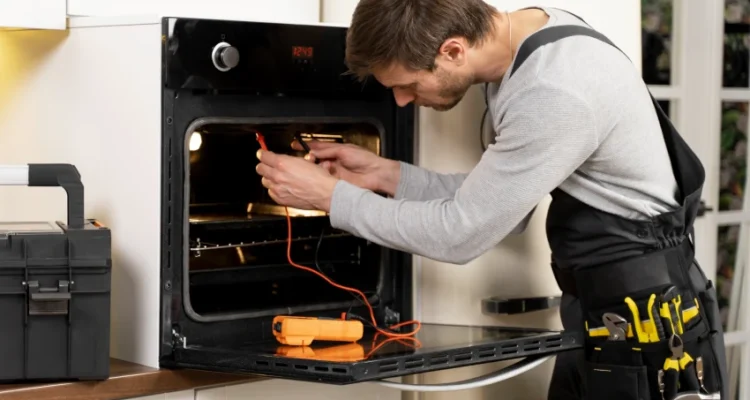
The diagnosis typically begins with checking the appliance’s model, symptoms, operating condition, and service history. The technician may then inspect the heating system and test relevant components using appropriate procedures.
Depending on the model and symptoms, the inspection may involve:
- Checking the door and safety interlock system.
- Examining the condition of relevant electrical components.
- Testing the high-voltage circuit using suitable equipment.
- Checking the magnetron and its connections.
- Inspecting for signs of overheating or electrical damage.
- Confirming whether a replacement part is available.
Microwave ovens contain high-voltage components that can retain a dangerous electrical charge even after the appliance has been unplugged.
Never open the microwave cabinet or attempt to test, discharge, or replace the magnetron yourself. These repairs should be handled by a qualified professional with the necessary training and equipment.
How Much Does Magnetron Repair Cost in Saskatoon?
The cost depends on the microwave model, the replacement part, labour, diagnostic fees, and whether additional components have been damaged.
As a general Canadian budgeting reference, one published 2026 cost guide estimates magnetron replacement in an over-the-range microwave at approximately $220–$400 CAD. This is a national estimate, not a confirmed quote for Saskatoon, and the cost for a particular appliance may fall outside that range.
The final price may be affected by several factors.
Cost of the Replacement Magnetron
Magnetrons are available in different designs and specifications. The correct replacement must be compatible with the microwave’s make and model.
Genuine manufacturer parts can be expensive, particularly for certain models. For example, Canadian replacement-parts listings show that magnetron prices vary considerably by part number.
Labour and Diagnostic Fees
A repair quote may include the initial diagnosis, labour, replacement part, and testing after the repair.
Some providers charge a separate service-call fee, while others may apply part or all of that fee toward an approved repair.
Ask for a breakdown so you can compare the total repair cost with the price of replacing the appliance.
Additional Component Damage
If the magnetron failure is related to another electrical fault, additional parts or labour may be required.
A technician should explain any extra work before proceeding. This helps you understand whether the repair remains financially worthwhile.
Is It Worth Replacing a Microwave Magnetron?
The decision depends on the appliance’s age, purchase price, overall condition, and estimated repair cost.
When Repair May Be Worthwhile
Repair may make sense when:
- The microwave is relatively new.
- The appliance is otherwise in good condition.
- Replacement parts are available.
- The repair cost is reasonable compared with replacement.
- The microwave is a built-in or over-the-range model with additional installation costs.
Replacing a failed magnetron may extend the useful life of an appliance that would otherwise require replacement.
When Replacement May Be Better
Buying a new microwave may be more practical when:
- The appliance is older and has several faults.
- The magnetron is expensive or difficult to source.
- The repair estimate approaches the cost of a suitable replacement.
- The door, frame, or cooking cavity is also damaged.
- The appliance has a history of repeated breakdowns.
For a low-cost countertop microwave, a major repair may not provide good value. A built-in unit, on the other hand, may be more expensive to replace and reinstall.
Compare the complete repair estimate with the cost of a replacement, including installation where necessary.
How to Reduce the Risk of Magnetron Problems
Although magnetron failure cannot always be prevented, good operating habits may help protect your microwave.
- Keep ventilation openings clear: Follow the manufacturer’s instructions for spacing and installation.
- Avoid running the microwave empty: Operating without food or another suitable load can damage the appliance.
- Use microwave-safe containers: Avoid metal items unless the manufacturer specifically permits them.
- Clean the interior regularly: Remove food splashes and grease that may contribute to arcing.
- Stop when you notice unusual symptoms: Burning smells, persistent sparking, and abnormal noises require attention.
- Follow recommended operating limits: Use the microwave according to its intended purpose and instructions.
- Arrange repairs promptly: Do not continue operating an appliance that appears to have an electrical fault.
These steps can help reduce avoidable problems, although they cannot guarantee that the magnetron will never fail.
When Should You Contact a Microwave Repair Professional?
If your microwave runs but does not heat, makes unusual noises, produces a burning smell, or repeatedly trips the circuit breaker, it is time to seek professional advice.
For homeowners looking for Microwave repair Saskatoon, a qualified technician can assess whether the magnetron has failed or whether another component is responsible.
Before requesting an assessment, note the appliance’s make and model, its approximate age, and the symptoms you have noticed. Explain whether the microwave stopped working suddenly or gradually lost heating performance.
Ask for a diagnosis and written estimate before authorising a major repair. Also confirm whether parts and labour are covered by any repair warranty.
Frequently Asked Questions
1. What does a microwave magnetron do?
The magnetron generates the microwave energy used to heat food. If it fails, the appliance may stop heating even though the display and turntable continue working.
2. How do I know if my microwave magnetron has failed?
Common warning signs include food remaining cold, reduced heating performance, unusual humming, or other abnormal operating symptoms. These signs can also indicate different faults, so professional diagnosis is necessary.
3. How much does it cost to replace a microwave magnetron in Canada?
A 2026 national estimate places magnetron replacement in an over-the-range microwave at around $220–$400 CAD. Actual costs depend on the model, parts, labour, and diagnostic fees.
4. Can a microwave run if the magnetron is broken?
Yes. Some microwaves can still power the display, light, fan, or turntable even when the magnetron no longer generates heat.
5. Is it safe to replace a magnetron yourself?
No. Microwave ovens contain high-voltage components that can retain a dangerous electrical charge after unplugging. Magnetron replacement should be performed by a qualified professional.
6. Can a faulty diode cause the same symptoms as a failed magnetron?
Yes. A failed high-voltage diode or another component in the heating circuit can prevent the microwave from heating. A technician must identify the actual cause before replacing parts.
7. How long does a microwave magnetron last?
There is no fixed lifespan for every magnetron. Usage frequency, appliance design, operating conditions, and component quality can all affect how long it lasts.
8. Should I repair or replace a microwave with a failed magnetron?
Repair may be worthwhile if the appliance is in good condition and the repair cost is reasonable. Replacement may be better for an older, inexpensive microwave with several faults.
9. Why does my microwave make a loud buzzing sound but not heat?
The sound may indicate a problem with the magnetron or another component in the high-voltage system. Stop using the appliance if the noise is unusual and arrange a professional inspection.
10. Can regular maintenance prevent magnetron failure?
Maintenance cannot prevent every failure, but keeping ventilation openings clear, cleaning food residue, avoiding empty operation, and addressing unusual symptoms promptly can reduce some avoidable risks.
Final Thoughts
The magnetron is essential to a microwave’s heating function, so a failure can leave the appliance running without warming food. Common warning signs include reduced heating, unusual noises, burning smells, and a complete loss of heating performance.
However, these symptoms do not always mean the magnetron itself is faulty. Other electrical components can produce similar problems, making a proper diagnosis important.
In Canada, magnetron replacement for an over-the-range microwave may cost approximately $220–$400 CAD, although the actual price depends on the appliance and the work required.
If your microwave is no longer heating correctly, avoid opening the cabinet or attempting high-voltage repairs yourself. A qualified technician can identify the cause, provide a repair estimate, and help you decide whether fixing the appliance is a sensible investment.
Sources
- CostAndPrice — Over-the-Range Microwave Not Heating Repair Costs in Canada (2026)
- CostAndPrice — Over-the-Range Microwave Repair Costs in Canada (2026)
- Frigidaire Parts Canada — Microwave Magnetron Replacement Parts
- Health Canada — Microwave Oven Safety and Maintenance
Refine the microwave repair article