Over-the-Range vs Countertop Microwaves: Repair Differences
Microwaves have become essential kitchen appliances because they make cooking, reheating, and defrosting food faster and easier. However, when a microwave stops heating, makes unusual noises, or develops a door problem, deciding how to repair it can be confusing. The right solution often depends on the type of microwave you own.
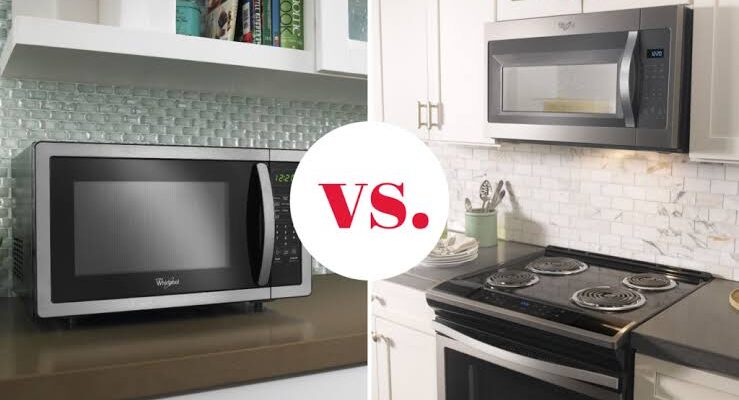
Two common options are over-the-range microwaves and countertop microwaves. Although both perform similar cooking functions, their installation, ventilation systems, accessibility, and repair requirements can be quite different.
For homeowners in Saskatoon, understanding these differences can help when comparing repair estimates or deciding whether to fix an existing appliance or replace it.
This guide explains how over-the-range and countertop microwaves differ, which problems commonly affect each type, what can influence repair costs, and how to make a practical decision when something goes wrong.
What Is a Countertop Microwave?
A countertop microwave is a standalone appliance designed to sit on a stable kitchen counter, table, or another suitable surface. It is usually easy to access because it does not require permanent installation inside cabinetry.
Countertop models are available in different sizes and power ratings. Some have basic heating functions, while others include convection cooking, sensor programs, and additional features.
Common Countertop Microwave Problems
Countertop microwaves can develop several faults over time, including:
- The microwave runs but does not heat food.
- The turntable stops rotating.
- The door latch becomes loose or damaged.
- Buttons stop responding.
- The appliance makes unusual buzzing noises.
- The display becomes blank or inconsistent.
- The power cord or plug shows signs of damage.
Some problems involve relatively accessible external components, while others require specialist diagnosis. For example, a faulty turntable motor and a failed magnetron require different repair procedures.
One advantage of countertop models is that they can usually be moved for service without removing built-in cabinetry or a mounting system. However, the appliance should still be handled carefully, particularly if it is large or heavy.
What Is an Over-the-Range Microwave?
An over-the-range microwave is installed above a stove or cooktop, usually beneath a cabinet. It combines microwave cooking with additional kitchen functions, often including a built-in light and a ventilation fan.
Many models use a fan to draw cooking fumes through filters. Depending on the installation, the air may be recirculated through filters or directed outside through ductwork.
Because these appliances are mounted above the cooking area, their installation and removal are generally more complicated than those of countertop models.
Common Over-the-Range Microwave Problems
Over-the-range units can experience the same heating and electrical problems as countertop models. They may also develop issues related to their ventilation and installation systems.
Common examples include:
- The microwave does not heat food.
- The exhaust fan stops working.
- Grease filters become heavily clogged.
- The ventilation fan becomes noisy.
- The underside light stops working.
- The mounting arrangement becomes unstable.
- The door or control panel develops a fault.
A ventilation problem does not necessarily mean the microwave’s heating system has failed. Similarly, a microwave that does not heat may have an electrical fault unrelated to the exhaust fan.
Understanding which function has stopped working helps a technician narrow down the cause.
Key Differences Between Countertop and Over-the-Range Microwave Repairs
Although both appliance types use similar heating technology, several practical differences can affect their repair.
1. Accessibility and Removal
Countertop microwaves: These appliances are usually easier to access. A technician may be able to inspect the exterior and carry out certain service procedures without removing the appliance from a permanent installation.
Over-the-range microwaves: These models are secured above the stove and may be attached to a wall bracket and upper cabinet. Removing them can require more than one person and may involve disconnecting electrical power and ventilation ductwork.
Because of this additional work, an over-the-range repair may involve removal and reinstallation labour if the fault cannot be addressed while the unit remains mounted.
Never attempt to remove a heavy, mounted microwave without the proper equipment and assistance.
2. Ventilation System Repairs
Ventilation is one of the main differences between these two microwave types.
Many countertop models have cooling fans that protect internal components, but they generally do not provide the same cooktop exhaust function as an over-the-range unit.
Over-the-range microwaves often include a separate exhaust fan and grease filters. Some installations also use ductwork to carry cooking fumes outside.
Possible ventilation-related problems include:
- A fan that will not start.
- Excessive noise during operation.
- Poor airflow.
- A clogged grease filter.
- A damaged fan motor.
- A loose or obstructed duct connection.
Homeowners can usually clean removable grease filters according to the manufacturer’s instructions. However, electrical fan repairs and internal mechanical work should be handled by a qualified technician.
Before assuming the fan motor is faulty, check whether the filter needs cleaning and whether the selected fan speed is appropriate.
3. Heating System Repairs
Both countertop and over-the-range microwaves use components that generate and control microwave energy.
A heating failure may involve the magnetron, high-voltage diode, capacitor, inverter, transformer, door interlock system, or another component, depending on the model.
For either appliance type, symptoms may include:
- Food remaining cold.
- Heating becoming weaker than usual.
- Unusual humming or buzzing.
- The microwave stopping during operation.
The installation style alone does not identify the cause of a heating failure. A proper diagnosis is needed before parts are replaced.
Microwaves contain high-voltage components that can retain a dangerous electrical charge even after unplugging. Do not open the cabinet or attempt to test or replace internal components yourself.
4. Door and Latch Repairs
Door problems can affect either type of microwave.
Common symptoms include a door that will not close, a loose latch, damaged hinges, or an appliance that refuses to start even when the door appears closed.
Over-the-range units may be more awkward to access because they are mounted above the cooking area. However, the basic safety requirements are the same for both designs.
A microwave should not be operated if its door is damaged or cannot close securely. Never bypass the door safety switches to make the appliance run.
5. Control Panel and Display Repairs
Countertop and over-the-range models can both develop unresponsive buttons, display problems, or faulty control boards.
Possible causes include worn buttons, moisture exposure, damaged connections, or electronic component failure.
The repair process depends on the model and the specific fault. A technician may need to determine whether the problem involves the touchpad, control board, power supply, or another component.
On an over-the-range microwave, the extra ventilation and mounting features do not necessarily make the control panel itself more difficult to repair. The design of the individual appliance matters more than its installation type.
Which Type of Microwave Costs More to Repair?
There is no universal rule that over-the-range microwaves always cost more to repair. The price depends on the fault, replacement parts, labour, appliance design, and local service rates.
However, certain factors can affect the final cost.
Countertop Microwave Repair Costs
Countertop units may be less expensive to access because they do not usually require removal from a wall or cabinet installation.
If the problem involves a replaceable component and parts are available, repair may be relatively straightforward.
However, a major electrical fault can still make a countertop microwave expensive to fix. The low purchase price of some models also means that replacement may offer better value.
Over-the-Range Microwave Repair Costs
Over-the-range units may involve additional labour if removal and reinstallation are necessary.
The final estimate may depend on:
- Whether the appliance must be removed from its mounting bracket.
- Whether ductwork or electrical connections need attention.
- The cost and availability of replacement components.
- The time needed to diagnose the fault.
- Whether the installation has additional complications.
Some repairs can be performed without removing the microwave, so extra removal costs should not be assumed in every case.
What Should You Ask Before Approving a Repair?
When requesting an estimate, ask for a breakdown of the diagnostic fee, parts, labour, removal and reinstallation charges where applicable, and any warranty on the repair.
This makes it easier to compare the total cost with the price of a replacement appliance.
Repair or Replace: Which Option Makes More Sense?
The best decision depends on the microwave’s age, condition, repair cost, and replacement price.
When Repair May Be Worthwhile
Repair may make sense if the appliance is relatively new, has a single identifiable fault, and has replacement parts available at a reasonable price.
An over-the-range microwave may be worth repairing because replacing it can also involve installation expenses. This is particularly relevant when the existing appliance fits a specific cabinet arrangement.
A countertop model may also be worth fixing if it is a higher-end appliance with useful features and the repair is economical.
When Replacement May Be Better
Replacement may be the practical choice when:
- The appliance has multiple faults.
- The repair estimate is close to the cost of a suitable replacement.
- Important parts are unavailable.
- The microwave has significant structural damage.
- The appliance has required repeated repairs.
For countertop microwaves, compare the repair estimate with the price of a new unit, including any delivery or disposal costs.
For over-the-range models, also consider installation, mounting compatibility, and whether the new appliance will work with the existing ventilation arrangement.
Do not base the decision on age alone. A professional diagnosis and a clear estimate can help you compare the options.
Maintenance Tips for Both Microwave Types
Good maintenance can help prevent avoidable problems and support reliable operation.
For Countertop Microwaves
- Place the microwave on a stable, level surface.
- Follow the manufacturer’s ventilation-clearance instructions.
- Keep air vents free from dust and obstructions.
- Clean food splashes promptly.
- Use microwave-safe cookware.
- Avoid operating the microwave empty.
For Over-the-Range Microwaves
- Clean grease filters according to the manufacturer’s guidance.
- Keep the ventilation openings unobstructed.
- Check that the door closes securely.
- Clean the cooking cavity regularly.
- Use the exhaust fan appropriately when cooking on the stove.
- Arrange an inspection if the appliance becomes loose or the mounting appears damaged.
For both types, stop using the microwave if you notice smoke, a persistent electrical burning smell, repeated sparking, or a damaged door.
Finding Microwave Repair Help in Saskatoon
When a microwave develops a fault, accurate diagnosis is often more valuable than immediately replacing a part based on symptoms alone.
For homeowners considering Microwave repair Saskatoon, it helps to provide the technician with the appliance’s make and model, its approximate age, and a clear description of the problem.
If you have an over-the-range unit, mention whether the heating function, exhaust fan, light, or control panel has stopped working. If you own a countertop model, explain whether the appliance powers on, heats food, and operates normally otherwise.
You should also ask whether the appliance needs to be removed for the proposed repair and whether the quoted price includes reinstallation.
Confirm service availability, diagnostic charges, parts costs, and repair warranty terms before authorising the work.
Frequently Asked Questions
1. Are over-the-range microwaves harder to repair than countertop models?
They can be more complicated to access because they are mounted above the stove. If removal is necessary, additional labour may be involved. However, the difficulty ultimately depends on the specific fault and appliance design.
2. Do over-the-range microwaves cost more to repair?
Not always. Some repairs may cost more if removal and reinstallation are required, but the price also depends on parts, labour, and the type of failure.
3. Can a countertop microwave have ventilation problems?
Countertop models have cooling and ventilation arrangements, but they generally do not provide the cooktop exhaust function found on many over-the-range models. Blocked cooling vents can still contribute to operating problems.
4. Why is my over-the-range microwave fan not working?
Possible causes include a faulty fan motor, control problem, damaged connection, or another internal fault. A clogged filter can also reduce airflow, so check the manufacturer’s cleaning instructions before arranging service.
5. Is it worth repairing an old countertop microwave?
It depends on the repair estimate, the appliance’s condition, and the cost of replacement. If the repair is expensive and the microwave is a basic, low-cost model, replacement may offer better value.
6. Can I remove an over-the-range microwave myself?
Removal can be difficult because the appliance may be heavy and secured to wall brackets and cabinetry. Professional assistance is advisable, particularly where electrical connections or ductwork are involved.
7. Do both microwave types use a magnetron?
Many conventional microwave ovens use a magnetron to generate microwave energy. Some models use different inverter or heating-system designs, so the exact components depend on the appliance.
8. Why does my microwave run but not heat food?
Possible causes include a failed magnetron, a faulty high-voltage component, or a door safety problem. The symptom alone does not identify the faulty part, so professional diagnosis is recommended.
9. How can I make my microwave last longer?
Keep the appliance clean, maintain clear ventilation openings, use suitable cookware, avoid operating it empty, and address unusual sounds or heating problems promptly.
10. How do I choose between repairing and replacing my microwave?
Compare the total repair estimate with the price of a suitable replacement. Include removal and installation costs for over-the-range units, and consider the appliance’s condition, parts availability, and repair history.
Final Thoughts
Over-the-range and countertop microwaves perform similar cooking functions, but their repair requirements can differ because of installation, ventilation, accessibility, and design.
Countertop models are generally easier to access, while over-the-range units may require extra work if removal or reinstallation is necessary. Both types can develop heating, door, electrical, and control-panel problems that require professional diagnosis.
Before deciding to repair or replace your microwave, compare the complete repair estimate with the cost of a suitable replacement. Consider the appliance’s overall condition, the availability of parts, and any additional installation expenses.
With proper maintenance and timely attention to warning signs, you can make a more informed decision and avoid unnecessary repair costs.
Sources
- Health Canada — Microwave Oven Safety and Maintenance
- Whirlpool — Over-the-Range Microwave Troubleshooting
- GE Appliances — Microwave Owner Support
- Panasonic — Microwave Troubleshooting and Support
Refine the article further