Vinyl records have a special place in the world of music. Whether you enjoy classic rock, jazz, pop, or original soundtracks, playing a record offers a listening experience that many music lovers appreciate. A well-maintained turntable can provide years of enjoyment, but even quality record players can develop mechanical or electrical problems over time.
If your turntable starts playing too slowly, produces unwanted buzzing, skips tracks, or stops spinning completely, you do not necessarily need to replace it. Many common problems can be diagnosed and repaired, allowing you to enjoy your favourite records again.
For music lovers in Saskatoon, understanding the warning signs of turntable trouble can help protect both your equipment and your vinyl collection. This guide explains common turntable problems, basic checks you can safely perform, professional repair options, and practical maintenance tips to help keep your audio setup performing at its best.
1. Why Turntable Maintenance and Repair Matter
A turntable is a combination of mechanical and electronic components. Its platter rotates the record, the motor provides movement, and the tonearm holds the cartridge and stylus that read the record grooves.
The cartridge converts the stylus’s movement into an audio signal, which travels through the appropriate connections to a phono preamplifier, amplifier, or compatible audio system.
If one part does not work correctly, the entire listening experience can suffer.
For example, a worn belt may cause inconsistent rotation, while a damaged stylus may produce distorted sound or risk damaging records. Loose audio connections can create buzzing, and an incorrectly adjusted tonearm may cause the stylus to skip across the record.
Regular maintenance helps identify these issues before they become more serious. When a problem does develop, an accurate diagnosis can prevent unnecessary replacement of otherwise functional components.
Repair can also be a practical choice for vintage turntables that have sentimental value or are difficult to replace with a similar model.
2. Common Turntable Problems and Their Causes
Understanding your turntable’s symptoms can help you explain the problem to a technician. However, similar symptoms can have several causes, so avoid assuming that one particular component has failed without proper testing.
The platter does not spin
A platter that refuses to rotate is one of the most obvious turntable problems.
Possible causes include:
- A disconnected or faulty power supply.
- A worn, stretched, or broken drive belt.
- A motor problem.
- A faulty speed-control circuit.
- A mechanical obstruction.
- A problem with the start switch or automatic mechanism.
If your turntable uses a removable external power adapter, check that it is securely connected and that the outlet works. Follow the manufacturer’s instructions for any permitted external checks.
For a belt-drive model, a damaged belt may be responsible. Direct-drive turntables use a different mechanism, so the cause may involve the motor or its control electronics instead.
If basic checks do not resolve the problem, professional diagnosis can identify the fault without risking damage to the platter, motor, or internal wiring.
Records play too slowly or too quickly
Incorrect playback speed affects pitch and timing. Music may sound unusually deep when the turntable runs slowly or higher-pitched when it runs too fast.
Potential causes include a worn belt, incorrect speed selection, motor-control problems, or a need for speed adjustment.
Many turntables support 33⅓ RPM and 45 RPM records. Some older models also support 78 RPM records. Selecting the wrong setting can make a record play at an incorrect speed even when the turntable is functioning normally.
Start by confirming that the selected speed matches the record and the turntable’s capabilities.
If the speed remains inconsistent, avoid making random internal adjustments. A technician can test the rotation and determine whether the problem is mechanical, electronic, or related to calibration.
The stylus skips across the record
A stylus that skips grooves can interrupt playback and make listening frustrating.
Common causes include:
- Dust or debris on the record.
- A dirty or worn stylus.
- Incorrect tracking force.
- Incorrect anti-skate adjustment.
- An uneven turntable surface.
- A damaged or warped record.
- Tonearm or cartridge problems.
First, check whether the record is visibly dirty or damaged. Clean it using an appropriate record-cleaning method and inspect the stylus carefully according to the manufacturer’s guidance.
Make sure the turntable sits on a stable, level surface.
If the problem continues across several clean records, the cartridge, stylus, tonearm, or setup may need professional attention. Do not force the tonearm through a groove or adjust delicate components without understanding the manufacturer’s instructions.
3. Why Is Your Turntable Producing Buzzing or Humming?
Unwanted noise can take away from the enjoyment of vinyl playback. A low hum, persistent buzz, or crackling sound may originate from the turntable, audio cables, phono preamplifier, amplifier, or another part of the sound system.
Grounding problems
Some turntables use a separate grounding wire to reduce unwanted electrical hum. If your model has one, confirm that it is connected as described in the manual.
Not every turntable uses the same grounding arrangement, so avoid adding wires or changing connections without checking the manufacturer’s instructions.
Loose or damaged audio cables
RCA cables and connectors carry the audio signal from the turntable to the next component in the system. Loose plugs, damaged cables, or poor connections can cause intermittent sound or noise.
With the equipment switched off, check that accessible connectors are seated correctly and inspect cables for visible damage.
If the noise continues, a technician can test the signal path and identify whether the issue comes from the turntable or another component.
Incorrect phono input
Many turntables require a phono preamplifier before connecting to a standard line-level input. Some models have a built-in phono preamp, while others depend on an external unit or a compatible amplifier input.
Using an unsuitable input can result in very quiet audio, excessive volume differences, or poor sound quality.
Check the turntable and amplifier manuals to confirm that the connections are appropriate for your setup.
4. Poor Sound Quality: Is the Problem the Stylus or Cartridge?
The stylus is the small needle that follows the grooves of a vinyl record. Although it is small, its condition has a major effect on playback quality.
A dirty, worn, or damaged stylus can cause distortion, excessive noise, skipping, and loss of detail.
The cartridge converts the stylus’s movement into an electrical signal. If the cartridge is damaged or incorrectly aligned, the sound may become weak, distorted, or uneven between the left and right channels.
Before deciding that the cartridge needs replacement, check the condition of the record and stylus. A dusty record can produce crackling even when the turntable itself is working properly.
Use a suitable stylus-cleaning tool and follow the manufacturer’s instructions. Avoid touching the delicate stylus assembly or applying excessive force.
If the stylus appears bent or damaged, stop playing records until it has been assessed or replaced. Continuing to use a damaged stylus can harm your vinyl.
When replacement is necessary, compatibility matters. The stylus or cartridge must suit the specific turntable and tonearm. Proper alignment and tracking-force adjustment help achieve reliable playback.
5. Belt-Drive vs Direct-Drive Turntable Repairs
Turntables generally use one of several drive systems. Two common designs are belt-drive and direct-drive.
Belt-drive turntables
A belt-drive model uses a belt to transfer motion from the motor to the platter.
Over time, the belt may stretch, harden, slip, or break. These changes can cause slow startup, inconsistent speed, or a platter that no longer rotates.
Belts are often replaceable, but the correct size and type are important. An unsuitable belt can cause speed problems or poor performance.
Direct-drive turntables
A direct-drive model uses a motor mechanism connected more directly to the platter. These designs are common in DJ equipment and many higher-performance turntables.
Because they do not rely on a conventional drive belt, their problems may involve the motor, speed-control electronics, sensors, switches, or internal connections.
The repair process depends on the model and the nature of the fault.
Neither design is automatically easier or cheaper to repair. Parts availability, construction, age, and the technician’s ability to diagnose the fault all influence the outcome.
6. Can You Fix a Turntable Yourself?
Some basic turntable checks are suitable for owners, provided they follow the manufacturer’s instructions.
You can usually:
- Confirm that the power adapter is connected properly.
- Check that the outlet is functioning.
- Verify the selected playback speed.
- Ensure the platter and removable accessories are positioned correctly.
- Clean records with appropriate products.
- Clean the stylus using a suitable tool.
- Check accessible audio cables for loose connections.
- Confirm that the turntable is level and stable.
Always switch off and disconnect the equipment before performing permitted maintenance.
More complicated work should be left to a qualified technician. Motor repairs, internal electrical faults, damaged tonearm wiring, circuit-board problems, and delicate mechanical adjustments can require specialised tools and experience.
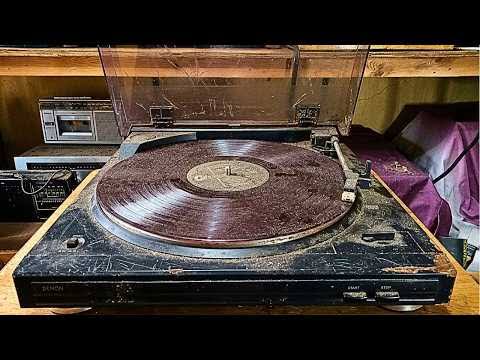
Vintage turntables deserve particular care because replacement parts may be scarce and some components can be difficult to source. Improper disassembly may damage parts that are no longer manufactured.
If you are unsure about a fault, professional diagnosis is often safer than experimenting with internal components.
7. When Should You Seek Professional Turntable Repair?
Some problems are easy to identify but difficult to correct properly. Others may appear minor while hiding a more complicated fault.
Consider arranging professional service if:
- The platter does not spin despite basic external checks.
- Playback speed remains inconsistent.
- The motor produces unusual mechanical noise.
- The tonearm sticks, fails to return, or moves incorrectly.
- One audio channel repeatedly cuts out.
- Buzzing continues after checking accessible connections.
- The cartridge or tonearm appears damaged.
- The turntable has suffered a fall or liquid spill.
- The unit repeatedly loses power or behaves unpredictably.
A technician can inspect the mechanical drive, motor, tonearm, cartridge, wiring, and electronic controls as appropriate.
If you need help restoring your setup, turntable and audio repair services in Saskatoon can be a starting point for exploring local service options. Contact the provider to confirm that your particular turntable model and fault can be assessed.
Before approving a repair, ask about diagnostic charges, parts availability, expected turnaround, and whether the estimate includes labour and replacement components.
8. What Determines Turntable Repair Costs?
Repair prices vary because turntables differ significantly in design and complexity.
A straightforward replacement part may cost less than a repair involving a damaged motor, control board, tonearm assembly, or rare vintage component.
Several factors affect the final cost.
Type of fault: A worn belt may be relatively simple to address, while an electronic speed-control failure may require more extensive diagnosis.
Parts availability: Common components may be easier to source than discontinued parts for vintage equipment.
Labour time: Some turntables are easier to service than others. Complex automatic mechanisms may require additional work.
Model and design: High-end and vintage turntables may use specialised components or require careful calibration.
Additional damage: A unit with multiple faults may need more than one repair.
Ask for a diagnosis and estimate before authorising work. If the turntable has sentimental value or is difficult to replace, restoration may still be worthwhile even when the cost is higher than that of a basic new model.
For inexpensive turntables, however, the cost of parts and labour may approach the price of a replacement. Comparing the options can help you make a practical decision.
9. How to Protect Your Vinyl Collection
A well-maintained turntable helps you enjoy your records while reducing unnecessary wear.
Keep records clean
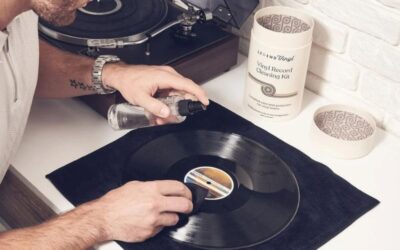
Dust and debris can create unwanted noise and affect stylus tracking. Use a record brush or suitable cleaning method before playback when needed.
Store records in appropriate sleeves and handle them by their edges to reduce fingerprints and contamination.
Maintain a stable listening surface
Place the turntable on a solid, level surface away from excessive vibration. Speakers placed too close to the turntable can sometimes introduce feedback, particularly at higher volumes.
If you experience rumbling or feedback, review the placement of the turntable and speakers.
Inspect the stylus regularly
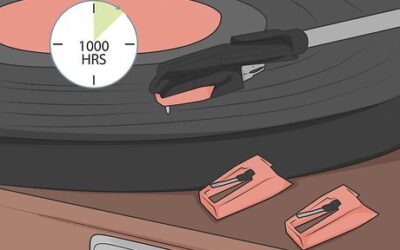
Check for visible damage and follow the manufacturer’s recommendations for cleaning and replacement. A worn stylus should not be used indefinitely.
Avoid sudden movement
Turntables contain delicate moving parts. Move the tonearm into its rest, secure it as instructed, and protect the platter and dust cover when transporting the unit.
For vintage equipment, follow model-specific transportation instructions because some designs have additional parts that need to be secured.
Keep dust and moisture away
Dust can affect mechanical movement and electrical contacts, while moisture can contribute to corrosion. Keep the equipment in a clean, dry environment and avoid using liquids near internal electronics.
10. Choosing Turntable Repair in Saskatoon
When looking for a repair service, choose a provider that understands both the mechanical and electronic aspects of turntables.
Ask whether the service can assess your specific brand and model. Explain the symptoms clearly, including whether the platter spins, whether both audio channels work, and whether the problem happens with every record.
If possible, provide information about previous repairs or recent changes to your audio setup.
A clear diagnostic process should identify the likely fault before major work begins. You should receive an estimate and have the opportunity to approve the proposed repair before the work proceeds.
It is also sensible to ask whether the service includes testing after the repair. A turntable may need checks for speed consistency, tonearm movement, signal quality, or other functions depending on the original problem.
For vintage equipment, confirm that replacement parts can be sourced and that the repair approach is appropriate for the model.
Good communication helps you understand what needs fixing and whether the cost is justified.
Conclusion
A faulty turntable does not always mean the end of your vinyl setup. Problems such as worn belts, incorrect speed settings, dirty styli, loose connections, and tonearm adjustment issues may be repairable.
More complicated faults involving motors, electronic controls, internal wiring, or damaged mechanical assemblies require careful diagnosis.
The best approach is to begin with safe, basic checks, avoid unnecessary adjustments, and seek professional assistance when a fault persists. Consider the age of the equipment, availability of parts, repair cost, and sentimental value before deciding whether to restore or replace it.
With proper care and timely repairs, your turntable can continue bringing your favourite records to life for years to come.
Frequently Asked Questions
1. Why is my turntable not spinning?
Possible causes include a disconnected power supply, worn drive belt, motor fault, mechanical obstruction, or electronic problem. Check the power connection and basic settings before arranging professional diagnosis.
2. Can a worn turntable belt be replaced?
Many belt-drive turntables use replaceable belts. The replacement must be suitable for the specific model to maintain correct platter speed and performance.
3. Why does my vinyl record keep skipping?
Skipping can result from dust, a damaged record, a dirty or worn stylus, incorrect tracking force, an uneven surface, or a tonearm problem. If it occurs across multiple clean records, the setup may need inspection.
4. What causes buzzing in a turntable?
Common causes include grounding problems, loose audio connections, damaged cables, or interference elsewhere in the audio system. Check accessible connections and the manufacturer’s setup instructions.
5. Is it worth repairing a vintage turntable?
It can be, especially if the unit is well built, has sentimental value, or is difficult to replace. The decision depends on the fault, parts availability, repair estimate, and overall condition.
6. How often should I replace my turntable stylus?
There is no single interval for every stylus. Replacement depends on the stylus type, manufacturer guidance, usage, condition, and maintenance. Replace it sooner if it becomes damaged or shows signs of excessive wear.
7. Can a turntable play records without a phono preamp?
Some turntables include a built-in phono preamp, while others require an external preamp or an amplifier with a suitable phono input. Check your equipment’s specifications and connections.
8. Why does my turntable play music too slowly?
Possible causes include the wrong speed setting, a worn belt, motor problems, or speed-control faults. Confirm the correct RPM setting before seeking service.
9. Can I repair a turntable at home?
Basic checks and routine cleaning may be suitable for owners. Internal electrical repairs, motor work, and delicate tonearm or cartridge adjustments may require specialised tools and experience.
10. How do I choose a turntable repair service in Saskatoon?
Look for a provider that can assess your model, explain the diagnosis, provide a clear estimate, discuss parts availability, and test the turntable after repair.
Suggested SEO Details
SEO Title: Turntable Repair Saskatoon: Revive Your Vinyl Setup
Meta Description: Learn about common turntable problems, vinyl player repairs, speed issues, buzzing, stylus care, repair costs, and maintenance tips for Saskatoon music lovers.
Suggested URL Slug: turntable-repair-saskatoon-vinyl-setup
Note: Your requested keyword is “Microwave repair Saskatoon,” but this article is about turntables and the target URL is the audio repair page. I’ve used the audio repair URL twice with relevant anchor text so the links fit the topic naturally. If you need the exact keyword “Microwave repair Saskatoon” linked twice instead, it can be added, but it would be less relevant to this article.
Refine the turntable article