Vinyl records offer a unique way to enjoy music, combining rich sound with the experience of collecting physical albums. Whether you own a few favourite records or a large collection, proper care is essential to keep your music sounding clear and your equipment working correctly.
Dust, fingerprints, scratches, excessive heat, and incorrect turntable settings can gradually affect record quality. Even small mistakes, such as touching the playing surface or using a worn needle, may lead to unnecessary wear. The good news is that most common problems can be prevented with a few simple habits.
This guide explains how to clean vinyl records, store them correctly, maintain your turntable, and avoid mistakes that can damage your collection. It also covers when professional help may be useful for vinyl enthusiasts in Saskatoon.
Why Vinyl Records Need Proper Care
Vinyl records contain tiny grooves that store the information needed to reproduce music. During playback, the turntable stylus follows these grooves and converts their movement into an electrical signal. The cartridge then sends this signal through your audio system to produce sound.
Because the stylus physically contacts the record, cleanliness and correct equipment settings matter. Dust can collect in the grooves, while a damaged or worn stylus may not track them accurately. Poor storage can also cause records to bend, warp, or become contaminated.
Proper maintenance helps you:
- Preserve sound quality and reduce unwanted noise.
- Minimise scratches and unnecessary groove wear.
- Extend the useful life of your records and stylus.
- Protect valuable or collectible album editions.
- Reduce avoidable turntable problems.
- Enjoy a more consistent listening experience.
According to the Library of Congress preservation guidance, clean handling, appropriate storage, and well-maintained playback equipment are important parts of protecting recorded media.
1. Handle Vinyl Records Correctly
One of the easiest ways to protect your records is to handle them carefully. Fingerprints may seem harmless, but oils and residue from your skin can attract dust and contaminate the playing surface.
Hold Records by the Edges
Always hold a vinyl record by its outer edge and centre label area. Avoid touching the grooves with your fingers.
Before handling your collection, wash and thoroughly dry your hands. This reduces the transfer of oils, dirt, and moisture to the record surface.
When removing a record from its sleeve, slide it out carefully rather than pulling it by the grooves. Support the disc with both hands if necessary, especially when handling larger or older records.
Avoid Placing Records on Dirty Surfaces
Never place a record directly on a dusty table, carpet, or other unclean surface. Small particles can stick to the vinyl and create noise during playback.
If you need to put a record down temporarily, use a clean, soft surface designed for handling records. Avoid dragging the disc across a table or another surface because this may cause scratches.
Return Records to Their Sleeves
After listening, return the record to its inner sleeve and outer jacket. Leaving records exposed allows dust to settle on the grooves and increases the risk of accidental scratches.
Keeping records protected when they are not in use is one of the simplest ways to maintain their condition.
2. Clean Vinyl Records Safely
Regular cleaning removes loose dust and helps reduce contamination. However, using the wrong cleaning method can cause more harm than good.
Use a Suitable Record Brush
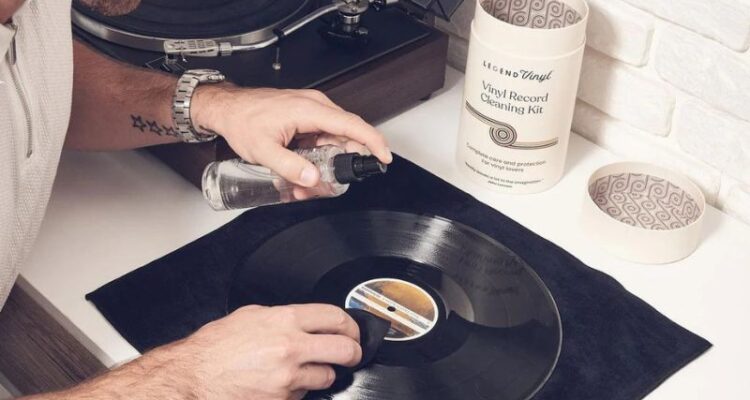
A record brush designed for vinyl can help remove loose surface dust before playback. Follow the instructions supplied with the brush, and avoid pressing hard against the record.
A gentle cleaning routine is usually sufficient for records that are already in good condition. Deep cleaning should be considered when a record has visible grime or persistent contamination that ordinary dust removal does not address.
Clean Heavily Soiled Records Carefully
Records with fingerprints, sticky residue, or embedded dirt may need a specialised record-cleaning solution or cleaning machine.
Choose a product designed for the specific record material and follow its instructions. If you have valuable, rare, or very old records, consider seeking advice before attempting an unfamiliar cleaning method.
Do not assume that a cleaner suitable for modern vinyl is safe for shellac or other historical disc formats.
Avoid Household Cleaning Products
Glass cleaners, kitchen detergents, furniture polish, and general-purpose sprays are not suitable substitutes for products designed for records. They may leave residue or contain ingredients that are inappropriate for the material.
Also avoid rough paper towels and abrasive cloths, which can introduce scratches or leave fibres behind.
The Library of Congress recommends format-appropriate care and cautions that playback equipment should be maintained according to suitable procedures. For delicate or unusual recordings, professional guidance is preferable to experimentation.
3. Keep Your Turntable Needle Clean
The stylus, often called the needle, is one of the most important components of a record player. It follows the grooves of the vinyl and must remain clean and undamaged to perform correctly.
Dust transferred from records can collect around the stylus and affect playback. A dirty or worn needle may contribute to distortion, skipping, or unwanted noise.
Use the Correct Stylus Brush
Use a stylus brush or cleaning product recommended by your cartridge or turntable manufacturer. Follow the specified cleaning direction, which commonly involves a gentle movement from the rear of the stylus toward the front.
Avoid side-to-side brushing, excessive pressure, or touching the delicate needle with your fingers.
Do not apply cleaning liquids unless the manufacturer specifically recommends them. Different stylus designs and cartridges may have different maintenance requirements.
Know When to Replace the Needle
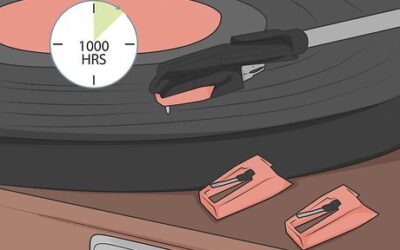
A stylus gradually wears down through normal use. The recommended replacement interval depends on the model, stylus design, and listening conditions.
Watch for warning signs such as:
- Increasing distortion.
- Repeated skipping across clean records.
- Reduced clarity in high-frequency sounds.
- Visible damage to the stylus or cantilever.
- Playback problems that persist after appropriate cleaning.
These symptoms can also result from dirty records, incorrect tracking force, or other turntable faults. If you suspect damage, stop playing records until the cause has been identified.
4. Store Vinyl Records Properly
Good storage protects records from pressure, heat, sunlight, and environmental damage. Even records that are cleaned regularly can deteriorate if stored incorrectly.
Store Records Vertically
Keep vinyl records upright on a sturdy shelf, similar to books. Avoid leaving them in large horizontal stacks for long periods.
Excessive pressure can deform records or damage their sleeves. Records should stand securely without leaning heavily to one side or being packed so tightly that removing them becomes difficult.
Use suitable dividers to keep the collection organised and supported.
Keep Records Away from Heat
Vinyl can warp when exposed to excessive heat. Avoid storing records near radiators, heaters, fireplaces, or windows that receive strong direct sunlight.
Attics, vehicles, and other spaces that experience large temperature changes can also be unsuitable for long-term storage.
A cool, relatively dry, and stable indoor environment is generally a better choice.
Control Moisture and Dust
Damp environments can encourage mould growth on sleeves and other packaging. Dust can accumulate on exposed records and increase the need for cleaning.
Keep your collection away from leaks, damp basements, and areas with poor environmental conditions. Use clean shelves and keep records inside their protective sleeves when not being played.
Choose Suitable Inner and Outer Sleeves
Inner sleeves protect the record surface, while outer sleeves help protect album jackets from dust, scuffs, and handling wear.
Consider clean, anti-static inner sleeves designed for vinyl. If an original paper sleeve has historical or collectible value, you can preserve it separately while using a suitable protective sleeve for the record.
5. Set Up Your Turntable Correctly
A well-maintained turntable needs more than a clean record and needle. Incorrect setup can affect playback quality and cause unnecessary wear.
Place the Turntable on a Level Surface
Position your turntable on a stable, level surface away from excessive vibration. An unstable table or nearby speaker vibration may interfere with playback and contribute to skipping.
Keep the turntable away from places where it could be knocked accidentally.
Check Tracking Force
Tracking force is the pressure the stylus applies to the record grooves. The correct setting depends on your cartridge and stylus.
Too much or too little pressure can affect tracking and sound quality. Follow the cartridge manufacturer’s recommended range rather than adjusting it by guesswork.
Some turntables have a built-in counterweight, while others use a preset mechanism. Consult the manual before making adjustments.
Check Anti-Skating Settings
Anti-skating helps manage the sideways force acting on the tonearm during playback. An incorrect setting may affect how the stylus tracks the grooves.
Follow the manufacturer’s instructions for setting anti-skating. If you are unsure how to adjust it, ask an experienced technician rather than experimenting with valuable records.
Use the Cueing Lever
The cueing lever helps raise and lower the tonearm in a controlled manner. Lowering the stylus by hand can cause accidental slips, especially when you are new to vinyl.
Use the cueing mechanism and make sure the stylus reaches the record gently.
6. Protect Your Records During Playback
Good habits during listening can prevent many common forms of damage.
Before playing a record, check the surface for visible dirt and remove loose dust using an appropriate method. Make sure the stylus is clean and the turntable is stable.
Avoid touching the spinning record or attempting to stop it with your hand. Do not force the tonearm across the grooves.
Always use the correct playback speed for the record. Many records are designed for 33⅓ or 45 revolutions per minute (RPM), although other formats and speeds exist. Check the record label and turntable instructions if you are unsure.
When the record finishes, lift the tonearm using the cueing lever and return it to its rest. Switch off the turntable when appropriate and store the record safely.
7. Avoid Common Vinyl Care Mistakes
Even experienced collectors can develop habits that gradually affect their records. Avoid these common mistakes:
Leaving records uncovered: Exposed vinyl attracts dust and can be scratched accidentally.
Touching the grooves: Finger oils and residue can contaminate the playing surface.
Using unsuitable cleaners: Household products may leave deposits or damage certain record materials.
Storing records in direct sunlight: Heat and intense light can harm records and their packaging.
Stacking records horizontally: Heavy stacks may place excessive pressure on discs at the bottom.
Ignoring a worn stylus: A damaged needle can compromise playback and potentially harm records.
Adjusting the tonearm without guidance: Incorrect tracking force and alignment can affect performance.
Playing dirty records repeatedly: Dirt can accumulate on the stylus and contribute to playback problems.
Moving the turntable carelessly: Sudden impacts can damage the tonearm, cartridge, or other delicate components.
Building a consistent care routine is usually more effective than trying to fix damage after it happens.
8. Maintain the Rest of Your Audio System
Turntable care also includes the equipment connected to it. Dust, loose connections, and poorly positioned components can affect your listening experience.
Keep the turntable’s exterior clean with a soft, dry cloth, following the manufacturer’s instructions. Avoid allowing liquids to reach the motor, tonearm, cartridge, or electrical connections.
Inspect accessible cables for loose connections or visible damage. Keep speaker cables organised and avoid placing heavy objects on them.
If you hear persistent humming, crackling, or sound distortion, do not assume the record is responsible. The cause could be the cartridge, grounding connection, amplifier, speakers, or another component.
For problems that continue after basic checks, Audio repair Saskatoon is a useful starting point for exploring local audio repair options.
9. When Should You Seek Professional Turntable Repair?
Some maintenance tasks are suitable for home care, but more complicated problems may require professional attention.
Consider seeking assistance if:
- The tonearm appears bent or unstable.
- The stylus or cartridge has visible damage.
- Records skip despite being clean and correctly positioned.
- The turntable speed fluctuates unexpectedly.
- You hear persistent humming or distortion across multiple records.
- The platter does not rotate correctly.
- The turntable stops working after an electrical problem.
- Replacing the stylus does not resolve playback issues.
A technician can help determine whether the problem comes from the stylus, cartridge, tonearm, motor, wiring, or connected audio equipment.
If your collection includes rare or valuable records, professional advice can also help you avoid risky cleaning methods and unnecessary handling.
For residents seeking assistance, Audio repair Saskatoon provides a relevant place to explore audio service options. Explain the symptoms and equipment model when requesting advice so the problem can be assessed more accurately.
Conclusion
Vinyl records can provide years of listening enjoyment when handled, cleaned, and stored properly. Protecting your collection does not require an expensive setup or complicated routine. Simple habits, such as holding records by their edges, using suitable cleaning tools, storing discs vertically, and maintaining the turntable, can make a meaningful difference.
Pay attention to stylus condition and follow your manufacturer’s setup recommendations. Avoid excessive heat, unsuitable cleaning products, and careless handling. If your turntable develops persistent problems, professional assessment may help identify the cause before further damage occurs.
With consistent care, you can protect your favourite albums, maintain better playback quality, and enjoy your vinyl collection for years to come.
Frequently Asked Questions
1. How should vinyl records be stored to prevent damage?
Store records vertically in protective sleeves on a sturdy shelf. Keep them in a cool, relatively dry environment away from direct sunlight, heaters, and areas with extreme temperature changes.
2. How often should I clean my vinyl records?
Remove loose dust before playback when needed. Deep cleaning is generally reserved for records with noticeable dirt or contamination. Always use a method suitable for the record material.
3. Can fingerprints damage vinyl records?
Fingerprints can leave oils and residue on the playing surface. These contaminants may attract dust and affect playback, so it is best to handle records by their edges and labels.
4. What is the safest way to clean a turntable needle?
Use a stylus brush or cleaning product recommended by the cartridge manufacturer. Follow the specified direction and avoid touching, bending, or applying excessive pressure to the needle.
5. Can heat permanently damage vinyl records?
Yes. Excessive heat can warp vinyl and make records difficult or impossible to play correctly. Keep your collection away from direct sunlight, heaters, hot vehicles, and other high-temperature areas.
6. Should vinyl records be stored flat or upright?
Records should generally be stored vertically with proper support. Large horizontal stacks can place excessive pressure on the discs and increase the risk of deformation.
7. Why does my turntable keep skipping?
Skipping may result from a dirty record, a dirty or damaged stylus, an unlevel surface, incorrect tracking force, or a tonearm problem. Check the basic setup and stop playback if the stylus appears damaged.
8. Can a worn needle damage vinyl records?
Yes. A worn or damaged stylus may track the grooves incorrectly and cause unnecessary wear. Replace it according to the manufacturer’s recommendations and investigate persistent playback problems.
9. Do I need special products to clean vinyl records?
A suitable record brush can help remove loose dust. For deeper cleaning, use products designed for your record type and follow the instructions. Avoid experimenting with household cleaners or unapproved chemicals.
10. When should I contact an audio repair technician in Saskatoon?
Seek professional help if the turntable has a damaged tonearm, persistent skipping, fluctuating speed, electrical problems, or distortion that remains after basic troubleshooting.
SEO Details
SEO Title: Vinyl Records and Turntable Care: Preventing Damage
Meta Description: Learn how to clean, store, and maintain vinyl records and turntables to prevent scratches, warping, stylus wear, and sound quality problems.
URL Slug: vinyl-records-turntable-care-preventing-damage
Target Keyword: Audio repair Saskatoon
Target Location: Saskatoon, Saskatchewan, Canada
Refine the article further