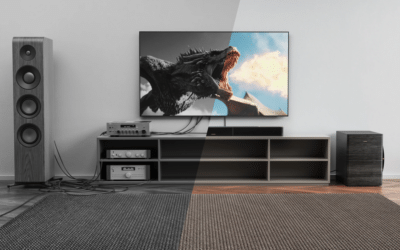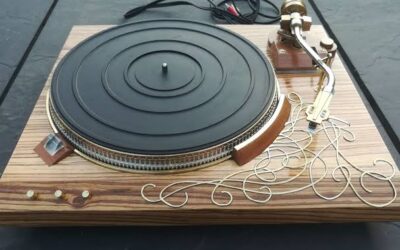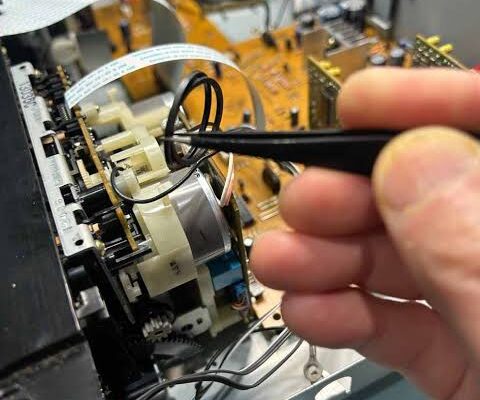
Vintage stereo equipment has a special appeal for music lovers. From classic amplifiers and receivers to cassette decks, turntables, and speakers, older audio systems often combine distinctive designs with a listening experience that modern equipment cannot always replicate. Many people also value vintage equipment because it holds sentimental memories or represents an important part of audio history.
However, older electronics can develop problems over time. Sound may become distorted, controls may stop working, channels may fail, or the equipment may refuse to power on. When this happens, owners face an important question: Is repairing vintage stereo equipment worth the cost, or is replacing it the better option?
The answer depends on the equipment’s condition, repair requirements, replacement value, availability of parts, and personal attachment. In this guide, we explore the benefits of vintage stereo repair, common problems, repair costs, safety considerations, and how to decide whether restoring an older audio system makes sense.
Why Vintage Stereo Equipment Is Still Popular
Vintage audio equipment remains popular among collectors, music enthusiasts, and people who appreciate traditional stereo systems. Some older components were designed with substantial metal cases, physical controls, and serviceable internal parts.
Although build quality varies between models, certain vintage receivers and amplifiers are valued for their appearance, sound characteristics, and construction.
Distinctive Sound and Design
Many vintage amplifiers and receivers offer a traditional listening experience with physical volume knobs, tone controls, and dedicated switches. Some models also feature analogue meters, illuminated displays, and wooden cabinets that give them a distinctive appearance.
The sound quality depends on the individual design and condition of the equipment. A vintage system is not automatically better than a modern one, but a well-maintained model can still provide enjoyable, high-quality audio.
Sentimental and Collectible Value
An old stereo may have belonged to a family member or been part of someone’s first music system. Repairing it can preserve memories while returning a meaningful piece of equipment to working condition.
Certain models also attract collectors because of their rarity, historical significance, or reputation among audio enthusiasts.
Potential for Long-Term Use
Some older systems can continue working for many years when properly maintained. If a receiver or amplifier has a repairable fault and suitable replacement parts are available, restoration may be a practical way to extend its useful life.
However, age alone does not determine whether a component is worth saving. Its condition and repair requirements matter much more.
Common Problems With Vintage Stereo Equipment
Before deciding whether to repair an older stereo, it helps to understand the problems that commonly develop with age.
1. Crackling or Scratchy Volume Controls
If turning the volume knob produces crackling, the cause may be a dirty or worn potentiometer. Dust, oxidation, and mechanical wear can affect the electrical contact inside the control.
Sometimes the issue can be resolved with appropriate servicing. In other cases, the component may need replacement.
Avoid spraying household cleaners into the equipment. Incorrect products can damage internal materials or leave unwanted residue.
2. No Sound From One or Both Channels
An older receiver may power on while producing sound through only one speaker. Alternatively, both channels may remain silent.
Possible causes include damaged cables, faulty input selectors, worn switches, failed components, or problems in the amplifier circuit.
Checking the external connections and selected input can help identify a simple issue. If the fault remains, internal testing may be necessary.
3. Humming and Background Noise
Persistent humming, buzzing, or excessive background noise can make music difficult to enjoy.
The cause might be a grounding problem, a poor connection, a faulty connected device, or ageing internal components. A technician can help determine whether the noise originates in the receiver, amplifier, source device, or another part of the system.
4. Equipment Will Not Turn On
A vintage stereo that fails to power on may have a damaged power cord, a faulty switch, a power supply problem, or an internal component failure.
If the unit produces a burning smell, shows signs of smoke, or has damaged electrical wiring, disconnect it from power if safe and do not attempt to use it again before inspection.
Opening older electronics without appropriate training can be dangerous because some components may retain hazardous electrical charges even after the equipment has been unplugged.
5. Ageing Capacitors and Other Components
Electronic components gradually deteriorate. Depending on the equipment’s age, storage conditions, and usage, capacitors, resistors, switches, relays, and other parts may require attention.
Not every vintage component needs complete replacement simply because it is old. A proper assessment can identify which parts are faulty and whether preventive maintenance is justified.
6. Problems With Cassette Decks and Turntables
Vintage stereo systems may include cassette players or record players with mechanical components that wear out.
Cassette decks can develop problems involving belts, rollers, motors, or tape mechanisms. Turntables may experience speed fluctuations, worn styluses, damaged tonearms, or motor issues.
These problems may be repairable, but parts availability and the condition of the mechanism affect the final decision.
Is Vintage Stereo Repair Worth the Money?
There is no universal answer. Repairing an old receiver may be worthwhile when the fault is limited and the equipment has lasting value. A severely damaged unit with scarce parts may be more expensive to restore than to replace.
Consider these important factors before making a decision.
1. The Cost of Repair
Ask for an assessment of the fault and an estimate of the likely repair cost.
A straightforward connection or control problem may be relatively manageable. More complicated work involving an amplifier circuit, power supply, damaged transformer, or multiple failing components can require considerably more time.
Remember that an initial diagnostic fee may be separate from the repair charge.
2. The Value of the Equipment
Research the model before deciding whether to invest in it. Compare its condition and realistic market value with similar working examples.
Collector interest can influence value, but advertised prices do not always reflect what buyers actually pay.
If the equipment is rare or highly desirable, professional restoration may be worth considering even when the repair is more involved.
3. Parts Availability
Some vintage models have replacement components that are easy to source. Others rely on discontinued or specialised parts.
When original parts are unavailable, a technician may be able to identify a compatible alternative. However, substitutions must be appropriate for the equipment’s electrical and mechanical requirements.
If a critical component cannot be sourced safely, restoration may be impractical.
4. Overall Condition
A stereo with a clean exterior, intact controls, and a single known fault may be a better repair candidate than one that has suffered extensive corrosion, liquid damage, or previous improper repairs.
Appearance alone is not enough, though. Internal condition and electrical safety should also be assessed.
5. Your Personal Priorities
Financial value is only one part of the decision. If a receiver has sentimental importance or matches the rest of your vintage system, you may be comfortable spending more on its restoration.
On the other hand, if your main goal is reliable everyday listening at the lowest cost, a modern replacement might make more sense.
Vintage Stereo Repair vs Buying New Equipment
Comparing repair with replacement helps you make a more informed choice.
| Factor | Repairing Vintage Equipment | Buying New Equipment |
|---|---|---|
| Initial cost | Depends on the fault and parts | Depends on the model and features |
| Sound quality | Depends on the original design and condition | Varies by product and price |
| Features | May lack modern connectivity | Often includes modern inputs and wireless features |
| Parts availability | Can be difficult for older models | Usually better during the product’s support period |
| Sentimental value | Preserves the original equipment | Does not preserve the original unit |
| Maintenance | Older parts may require future attention | New equipment may need less immediate maintenance |
| Collectible value | Repair may preserve or improve usability | Usually not a collector’s substitute |
A repaired vintage receiver may still lack Bluetooth, HDMI, network streaming, or modern surround-sound processing. If you need these features, you might use a compatible external device or consider replacement.
However, if you mainly listen to music through traditional stereo speakers, an older amplifier may continue meeting your needs.
Can You Repair Vintage Stereo Equipment Yourself?
Some basic checks are suitable for owners, but internal electronic repairs require appropriate skills and equipment.
Safe Checks You Can Perform
Before arranging service, you can:
- Confirm that the external power connection is secure.
- Check that the correct input is selected.
- Inspect accessible cables for visible damage.
- Confirm that speaker connections are secure while the equipment is switched off.
- Test another known-working audio source.
- Consult the user manual for basic operating instructions.
These checks can help rule out simple setup issues.
When DIY Repair Is Not Recommended
Avoid opening the case or attempting internal repairs if you lack electronics training.
Vintage receivers and amplifiers can contain high-voltage circuits, ageing insulation, and capacitors that retain dangerous charges. Incorrect repairs may create an electric shock or fire hazard and can damage components that would otherwise be repairable.
Do not bypass fuses, replace them with incorrect ratings, or defeat safety features to make the equipment operate.
For internal faults, professional diagnosis is generally the safer approach.
What Happens During Professional Vintage Stereo Repair?
A careful repair process usually begins with an inspection and diagnostic assessment.
Step 1: Initial Inspection
The technician reviews the equipment’s condition, reported symptoms, model information, and any known repair history.
Visible damage, unusual smells, corrosion, and previous modifications may help identify areas requiring further attention.
Step 2: Diagnostic Testing
Depending on the fault, the technician may test the power supply, amplifier stages, controls, connections, and other relevant components.
The goal is to identify the actual cause instead of replacing parts unnecessarily.
Step 3: Repair Plan and Estimate
Once the likely problem is understood, the technician can explain the proposed repair, parts requirements, expected limitations, and estimated cost.
For rare equipment, it is sensible to discuss parts availability before authorising extensive work.
Step 4: Repair and Verification
After the approved repair, the equipment should be checked for correct operation. Testing may include confirming sound output, channel balance, control function, and other features relevant to the original fault.
The exact procedures depend on the equipment and the nature of the repair.
Step 5: Maintenance Recommendations
A technician may recommend additional servicing if other problems are identified. Ask which work is essential for safe operation and which work is optional preventive maintenance.
This helps you make a decision that fits your budget and intended use.
Finding Vintage Stereo Repair in Saskatoon
If you live in Saskatoon and own an older amplifier, receiver, cassette deck, or turntable, choosing a service provider with relevant audio repair experience is important.
Vintage equipment may require knowledge of older circuit designs, mechanical systems, and discontinued components. Not every repair shop works on every type of vintage device, so it is worth asking about experience with your particular model.
When contacting a repair service, provide the brand and model number, describe the symptoms, and mention any previous repairs. If the equipment has sentimental or collector value, explain this before work begins.
Ask about the diagnostic fee, estimated repair cost, parts availability, and whether the technician will contact you before performing additional work.
For local service information, Audio repair Saskatoon is a useful starting point for exploring audio repair options. Confirm that the provider can assess your specific vintage equipment before arranging service.
How to Maintain Vintage Stereo Equipment After Repair
Once your stereo has been repaired, a few simple habits can help protect it.
Provide adequate ventilation: Keep amplifiers and receivers away from enclosed spaces that trap heat.
Keep equipment dry: Moisture can contribute to corrosion and electrical problems. Avoid placing drinks near your stereo.
Clean the exterior carefully: Use a soft cloth and follow the manufacturer’s recommendations. Prevent liquids from entering switches, openings, and controls.
Use compatible speakers: Check the receiver’s supported speaker impedance and power requirements before connecting speakers.
Avoid excessive volume: Prolonged high-volume operation can stress amplifiers and speakers.
Protect against electrical surges: Follow the manufacturer’s electrical requirements and consider suitable surge protection where appropriate.
Address problems early: New humming, crackling, intermittent sound, or unexpected shutdowns should be investigated before they become more serious.
Keep repair records: Save service invoices and note which components were replaced. This information can be useful for future maintenance.
Conclusion
Vintage stereo equipment repair can be worthwhile when the unit has a manageable fault, suitable parts are available, and its value justifies the investment. A well-maintained classic receiver or amplifier may continue providing enjoyable music for years, while restoration can preserve an important piece of personal or audio history.
However, repair is not always the best financial choice. Extensive damage, scarce components, repeated failures, and high restoration costs may make replacement more practical.
Before deciding, compare the repair estimate with the cost of a suitable replacement, consider the equipment’s condition, and think about the features you need. For internal electrical faults, professional assessment is safer than attempting an unfamiliar repair yourself.
With the right advice and realistic expectations, you can make an informed decision about whether to restore your vintage stereo or move on to a newer system.
Frequently Asked Questions
1. Is repairing vintage stereo equipment worth it?
It can be worthwhile if the equipment has a repairable fault, replacement parts are available, and its financial or sentimental value justifies the cost.
2. How long can vintage stereo equipment last?
There is no fixed lifespan. Longevity depends on the original design, component condition, storage environment, usage, and maintenance. Some units remain serviceable for decades with appropriate care.
3. What are the most common vintage stereo problems?
Common issues include scratchy controls, humming, distorted sound, failed channels, power problems, ageing components, and mechanical faults in cassette decks or turntables.
4. Is it cheaper to repair an old receiver or buy a new one?
It depends on the fault, parts availability, diagnostic fees, and replacement features. Compare a repair estimate with the cost of a new receiver that meets your needs.
5. Can old stereo amplifiers still produce good sound?
Yes. A properly functioning vintage amplifier can provide excellent listening quality. Performance depends on its design, condition, connected speakers, and the audio source.
6. Are replacement parts available for vintage receivers?
Some parts remain readily available, while others are discontinued or difficult to find. A technician can help determine whether suitable replacements exist.
7. Can I repair a vintage amplifier at home?
You can check external connections and basic settings, but internal repairs can expose you to dangerous electrical voltages. Leave internal servicing to someone with appropriate training and equipment.
8. Should vintage stereo equipment be serviced even if it works?
Not every working unit requires extensive servicing. However, equipment showing signs of overheating, unusual noise, intermittent operation, or deteriorating performance should be assessed.
9. Does repairing vintage audio equipment increase its value?
A proper repair may improve usability and appeal to buyers, but it does not guarantee a higher resale value. The model, originality, repair quality, and collector demand all matter.
10. Where can I look for vintage stereo repair in Saskatoon?
Start by exploring local audio repair services and ask whether they have experience with your equipment type and model. Confirm diagnostic fees, parts availability, and estimated costs before authorising work.
SEO Details
SEO Title: Vintage Stereo Equipment Repair: Is It Worth It?
Meta Description: Is vintage stereo repair worth the cost? Learn about common faults, repair costs, parts availability, and how to choose between restoration and replacement.
URL Slug: vintage-stereo-equipment-repair-worth-it
Target Keyword: Audio repair Saskatoon
Target Location: Saskatoon, Saskatchewan, Canada
For the vintage stereo article